


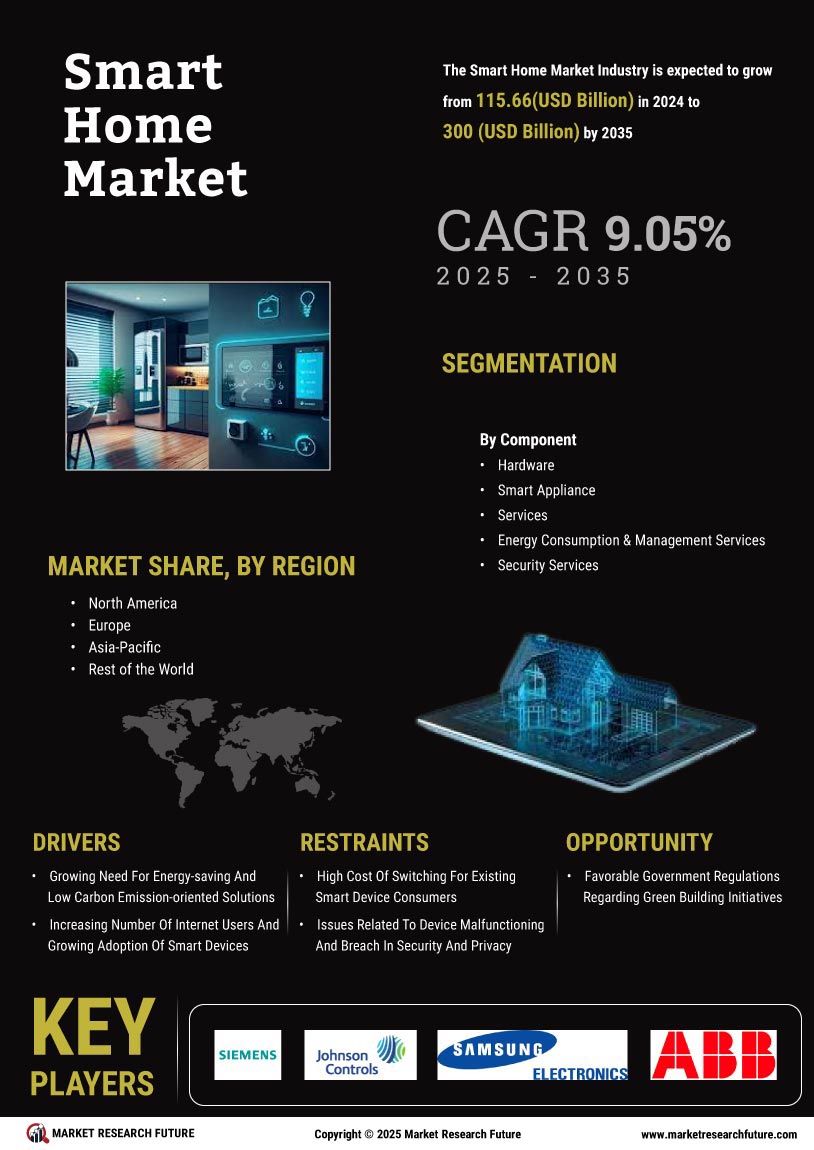
Energy efficiency is a major advantage of smart home technology. As concerns about climate change and rising energy costs grow, many homeowners are looking for ways to reduce their carbon footprint and lower their utility bills. Smart home devices play a crucial role in achieving these goals by optimizing energy usage through automation and real-time monitoring.
One of the most significant contributors to energy efficiency in smart homes is the smart thermostat. Devices like the Nest Learning Thermostat and Ecobee are designed to learn user habits and adjust heating and cooling settings accordingly. By optimizing temperature settings based on occupancy, these devices can save significant amounts of energy. For example, a smart thermostat can lower the temperature when no one is home and raise it before the occupants return, ensuring comfort while minimizing energy consumption.
Smart lighting systems also contribute to energy efficiency. Traditional lighting can consume a considerable amount of energy, especially if lights are left on when not needed. Smart lighting solutions, such as Philips Hue and LIFX, allow users to control their lights remotely and set schedules to ensure they are only on when necessary. Many smart bulbs also come with energy-saving features, such as dimming capabilities and color-changing options, which can further reduce energy consumption.
In addition to thermostats and lighting, smart plugs can help homeowners monitor and control the energy usage of various appliances. Smart plugs allow users to turn devices on and off remotely, ensuring that appliances are not left running unnecessarily. For instance, a homeowner can set a smart plug to turn off a coffee maker after a certain period, preventing energy waste. Many smart plugs also provide energy monitoring features, allowing users to track the energy consumption of individual devices and identify areas for improvement.
Smart appliances are another key component of energy-efficient homes. Many modern appliances, such as refrigerators, ovens, and washing machines, come equipped with smart technology that enables users to control them remotely. For example, a smart washing machine can be programmed to run during off-peak hours when energy rates are lower, helping homeowners save money on their utility bills. Additionally, smart appliances often include energy-efficient settings that optimize performance while minimizing energy usage.
The integration of renewable energy sources, such as solar panels, with smart home technology is also gaining traction. Homeowners can now monitor their energy production and consumption through smart devices, allowing for better management of solar energy systems. This integration not only promotes sustainability but also helps homeowners save money on energy costs.
Another benefit of smart home technology is the ability to receive real-time data on energy usage. Homeowners can track their energy consumption patterns through smartphone apps, allowing them to identify areas where they can make improvements. For instance, if a homeowner notices that their energy usage spikes during certain hours, they can adjust their habits or settings to reduce consumption.
Despite the numerous benefits of smart home technology for energy efficiency, some homeowners may be hesitant to adopt these solutions due to concerns about complexity and cost. To address these concerns, manufacturers must prioritize user-friendly designs and provide clear instructions and support. Additionally, government incentives and rebates for energy-efficient upgrades can help encourage homeowners to invest in smart technology.@https://www.marketresearchfuture.com/reports/smart-home-market-974
One of the most significant contributors to energy efficiency in smart homes is the smart thermostat. Devices like the Nest Learning Thermostat and Ecobee are designed to learn user habits and adjust heating and cooling settings accordingly. By optimizing temperature settings based on occupancy, these devices can save significant amounts of energy. For example, a smart thermostat can lower the temperature when no one is home and raise it before the occupants return, ensuring comfort while minimizing energy consumption.
Smart lighting systems also contribute to energy efficiency. Traditional lighting can consume a considerable amount of energy, especially if lights are left on when not needed. Smart lighting solutions, such as Philips Hue and LIFX, allow users to control their lights remotely and set schedules to ensure they are only on when necessary. Many smart bulbs also come with energy-saving features, such as dimming capabilities and color-changing options, which can further reduce energy consumption.
In addition to thermostats and lighting, smart plugs can help homeowners monitor and control the energy usage of various appliances. Smart plugs allow users to turn devices on and off remotely, ensuring that appliances are not left running unnecessarily. For instance, a homeowner can set a smart plug to turn off a coffee maker after a certain period, preventing energy waste. Many smart plugs also provide energy monitoring features, allowing users to track the energy consumption of individual devices and identify areas for improvement.
Smart appliances are another key component of energy-efficient homes. Many modern appliances, such as refrigerators, ovens, and washing machines, come equipped with smart technology that enables users to control them remotely. For example, a smart washing machine can be programmed to run during off-peak hours when energy rates are lower, helping homeowners save money on their utility bills. Additionally, smart appliances often include energy-efficient settings that optimize performance while minimizing energy usage.
The integration of renewable energy sources, such as solar panels, with smart home technology is also gaining traction. Homeowners can now monitor their energy production and consumption through smart devices, allowing for better management of solar energy systems. This integration not only promotes sustainability but also helps homeowners save money on energy costs.
Another benefit of smart home technology is the ability to receive real-time data on energy usage. Homeowners can track their energy consumption patterns through smartphone apps, allowing them to identify areas where they can make improvements. For instance, if a homeowner notices that their energy usage spikes during certain hours, they can adjust their habits or settings to reduce consumption.
Despite the numerous benefits of smart home technology for energy efficiency, some homeowners may be hesitant to adopt these solutions due to concerns about complexity and cost. To address these concerns, manufacturers must prioritize user-friendly designs and provide clear instructions and support. Additionally, government incentives and rebates for energy-efficient upgrades can help encourage homeowners to invest in smart technology.@https://www.marketresearchfuture.com/reports/smart-home-market-974
Energy efficiency is a major advantage of smart home technology. As concerns about climate change and rising energy costs grow, many homeowners are looking for ways to reduce their carbon footprint and lower their utility bills. Smart home devices play a crucial role in achieving these goals by optimizing energy usage through automation and real-time monitoring.
One of the most significant contributors to energy efficiency in smart homes is the smart thermostat. Devices like the Nest Learning Thermostat and Ecobee are designed to learn user habits and adjust heating and cooling settings accordingly. By optimizing temperature settings based on occupancy, these devices can save significant amounts of energy. For example, a smart thermostat can lower the temperature when no one is home and raise it before the occupants return, ensuring comfort while minimizing energy consumption.
Smart lighting systems also contribute to energy efficiency. Traditional lighting can consume a considerable amount of energy, especially if lights are left on when not needed. Smart lighting solutions, such as Philips Hue and LIFX, allow users to control their lights remotely and set schedules to ensure they are only on when necessary. Many smart bulbs also come with energy-saving features, such as dimming capabilities and color-changing options, which can further reduce energy consumption.
In addition to thermostats and lighting, smart plugs can help homeowners monitor and control the energy usage of various appliances. Smart plugs allow users to turn devices on and off remotely, ensuring that appliances are not left running unnecessarily. For instance, a homeowner can set a smart plug to turn off a coffee maker after a certain period, preventing energy waste. Many smart plugs also provide energy monitoring features, allowing users to track the energy consumption of individual devices and identify areas for improvement.
Smart appliances are another key component of energy-efficient homes. Many modern appliances, such as refrigerators, ovens, and washing machines, come equipped with smart technology that enables users to control them remotely. For example, a smart washing machine can be programmed to run during off-peak hours when energy rates are lower, helping homeowners save money on their utility bills. Additionally, smart appliances often include energy-efficient settings that optimize performance while minimizing energy usage.
The integration of renewable energy sources, such as solar panels, with smart home technology is also gaining traction. Homeowners can now monitor their energy production and consumption through smart devices, allowing for better management of solar energy systems. This integration not only promotes sustainability but also helps homeowners save money on energy costs.
Another benefit of smart home technology is the ability to receive real-time data on energy usage. Homeowners can track their energy consumption patterns through smartphone apps, allowing them to identify areas where they can make improvements. For instance, if a homeowner notices that their energy usage spikes during certain hours, they can adjust their habits or settings to reduce consumption.
Despite the numerous benefits of smart home technology for energy efficiency, some homeowners may be hesitant to adopt these solutions due to concerns about complexity and cost. To address these concerns, manufacturers must prioritize user-friendly designs and provide clear instructions and support. Additionally, government incentives and rebates for energy-efficient upgrades can help encourage homeowners to invest in smart technology.@https://www.marketresearchfuture.com/reports/smart-home-market-974
0 Commentarios
0 Acciones
286 Views
0 Vista previa

 English
 Arabic
 French
 Portuguese
 Deutsch
 Turkish
 Dutch
Dutch
 Italiano
 Russian
 Romaian
 Portuguese (Brazil)
 Greek
Greek