


Non-Alcoholic Wines: A Modern Choice for Taste and Wellness
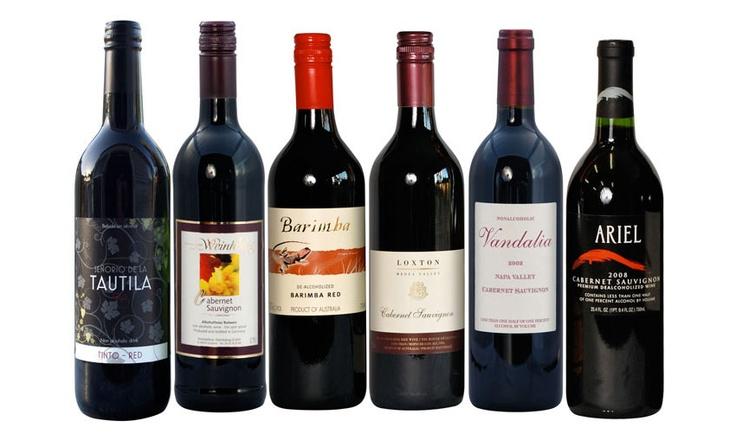
Non-alcoholic wines have seen a remarkable rise in popularity over the past few years, becoming a preferred choice for health-conscious consumers, pregnant individuals, fitness enthusiasts, and anyone looking to enjoy sophisticated beverages without alcohol. Far from being a simple substitute for traditional wines, modern non-alcoholic wines offer complex flavors, refined aromas, and a full-bodied drinking experience that rivals their alcoholic counterparts. In this article, we explore the origins, production, types, health benefits, and growing appeal of non-alcoholic wines, giving readers a comprehensive guide to this innovative beverage category.
Understanding Non-Alcoholic Wines
Non-alcoholic wines start as traditional wines, crafted from carefully selected grapes through fermentation. The difference lies in the removal of alcohol, which is done using advanced techniques such as vacuum distillation, reverse osmosis, or spinning cone columns. These methods maintain the wine’s aromatic compounds, flavor complexity, and structure, resulting in a beverage that closely mirrors the sensory profile of conventional wines.
Unlike grape juice, which lacks depth and character, non-alcoholic wines retain body, acidity, and subtle tannins. This makes them ideal for pairing with meals, celebrating special occasions, or simply enjoying a sophisticated drink without the effects of alcohol.
How Non-Alcoholic Wines Are Made
Producing high-quality non-alcoholic wines involves a careful, multi-step process:
1. Fermentation
Grapes are crushed and fermented just like regular wine, allowing yeast to convert sugars into alcohol and develop essential flavor compounds. This step is critical for creating depth, complexity, and aroma.
2. Aging
The wine is aged in tanks or barrels, which adds character, balance, and subtle notes of oak, fruit, or spice, depending on the varietal. Aging ensures that even after alcohol removal, the wine retains a satisfying texture and flavor profile.
3. Dealcoholization
Advanced technologies remove alcohol while preserving taste:
-
Vacuum Distillation: Removes alcohol at low temperatures, preserving delicate flavors.
-
Reverse Osmosis: Filters alcohol molecules without affecting aroma or body.
-
Spinning Cone Column: Separates alcohol while retaining volatile flavor compounds.
4. Blending and Bottling
After alcohol removal, the wine is adjusted for balance, bottled, and sealed. The result is a beverage with a rich sensory profile and the complexity of traditional wine.
Types of Non-Alcoholic Wines
Non-alcoholic wines now come in various styles to suit different preferences and occasions:
1. Red Wines
Full-bodied and rich, non-alcoholic red wines like Cabernet Sauvignon, Merlot, and Shiraz provide dark fruit flavors, structured tannins, and smooth finishes. They pair perfectly with red meats, pasta, and cheese platters.
2. White Wines
Crisp, aromatic whites such as Chardonnay, Sauvignon Blanc, and Riesling deliver refreshing acidity, citrusy notes, and floral undertones. They are ideal for seafood, salads, and light dishes.
3. Rosé Wines
Rosé offers a delicate balance of sweetness and acidity with strawberry, raspberry, or floral flavors. It is perfect for brunches, picnics, or casual summer gatherings.
4. Sparkling Wines
Non-alcoholic sparkling wines provide effervescence and celebration without alcohol. Popular for weddings, parties, and festive events, they come in dry, semi-sweet, and sweet varieties.
5. Ready-to-Drink Mocktails
Some brands also offer pre-mixed non-alcoholic cocktails that mimic classic drinks like sangria or spritz, ideal for convenience and social events.
Health Benefits of Non-Alcoholic Wines
One of the primary reasons for the popularity of non-alcoholic wines is their health-conscious appeal:
-
Lower Calories: Alcohol contributes significant calories; removing it makes the wine a lighter choice.
-
Heart Health: Many non-alcoholic wines retain antioxidants such as resveratrol and polyphenols, which may benefit cardiovascular health.
-
Better Sleep: Without alcohol’s disruptive effects, sleep quality improves.
-
No Hangovers: Enjoy wine flavor without dehydration, headaches, or fatigue.
-
Inclusivity: Suitable for pregnant individuals, those on medication, and anyone avoiding alcohol for lifestyle reasons.
Pairing Non-Alcoholic Wines with Food
Non-alcoholic wines can enhance any dining experience. Red wines complement grilled meats, stews, and pasta dishes, while whites pair well with seafood, chicken, and salads. Rosé is versatile for summer meals, light tapas, or brunch, and sparkling options are ideal for celebratory toasts. Proper pairing allows drinkers to enjoy a full culinary experience without alcohol.
Serving and Storing Non-Alcoholic Wines
To enjoy optimal flavor, follow these tips:
-
Storage: Keep in a cool, dark place away from sunlight. Once opened, refrigerate and consume within 3–5 days.
-
Serving Temperature:
-
Whites & Sparkling: 6–9°C
-
Rosé: 10–12°C
-
Reds: 14–16°C
-
-
Glassware: Using wine glasses enhances aroma and mouthfeel, making the drinking experience closer to traditional wine.
Why Non-Alcoholic Wines Are Here to Stay
Non-alcoholic wines are no longer a niche alternative. They meet the growing demand for mindful drinking, healthier lifestyles, and inclusive social experiences. With sophisticated production techniques, diverse flavors, and health-conscious benefits, these wines provide a genuine alternative to traditional alcoholic beverages.
For anyone looking to enjoy the ritual, aroma, and complexity of wine without alcohol, non-alcoholic wines offer a perfect solution. Whether for personal enjoyment, family gatherings, corporate events, or celebrations, they provide sophistication, flavor, and wellness in every glass.

 English
 Arabic
 Spanish
 Portuguese
 Deutsch
 Turkish
 Dutch
Dutch
 Italiano
 Russian
 Romaian
 Portuguese (Brazil)
 Greek
Greek