


Emotional Intelligence Training: Transforming Personal and Professional Success
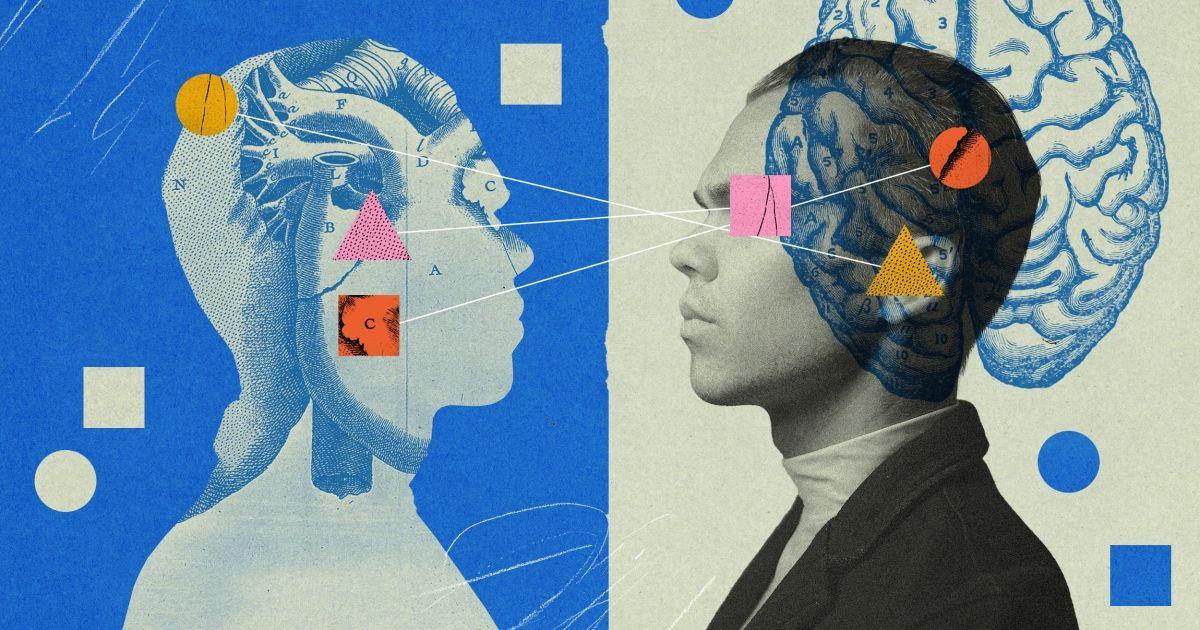
In a world that is becoming increasingly fast-paced, competitive, and interconnected, emotional intelligence (EI or EQ) has emerged as one of the most valuable skills an individual can possess. While technical ability and cognitive intelligence remain important, it is emotional intelligence that often determines how effectively people handle pressure, build relationships, and lead teams. As organizations strive to create healthier workplaces and individuals seek tools for personal growth, Emotional Intelligence Training has become a powerful solution for unlocking human potential. By helping people understand their emotions, respond more intentionally, and communicate with empathy, this training opens the door to success in virtually every area of life.
Understanding Emotional Intelligence: More Than Just Feelings
Emotional intelligence refers to the ability to recognize, understand, and manage one’s own emotions, as well as the emotions of others. Unlike traditional intelligence, which is mostly fixed, emotional intelligence can be strengthened with practice and guided learning. It includes competencies such as self-awareness, empathy, emotional regulation, social skills, and intrinsic motivation. These abilities shape how people interact with the world around them and determine how well they build connections, resolve conflicts, and adapt to change.
In today’s world, where stress levels are higher and emotional overload is common, understanding one's emotional triggers and learning how to respond thoughtfully is crucial. Emotional intelligence training offers a structured path to acquiring these skills, allowing participants to gain deeper insight into their internal patterns and external behaviours.
Why Emotional Intelligence Training Matters in Today’s World
As workplaces evolve, soft skills have become some of the most sought-after competencies across industries. Employers increasingly recognise that emotionally intelligent individuals outperform others in leadership roles, team collaboration, customer service, and conflict resolution. This shift highlights a growing awareness of how emotions influence behaviour, decision-making, and overall performance.
For individuals, emotional intelligence training provides a foundation for stronger relationships, better mental health, and greater resilience. Whether one aims to become a more empathetic partner, a more effective communicator, or a more confident leader, EQ training empowers people to handle life's complexities with clarity and calm. It also helps reduce impulsive reactions, improve listening skills, and foster greater emotional stability.
Core Components of Emotional Intelligence Training
1. Developing Self-Awareness
Self-awareness is the cornerstone of emotional intelligence. Training programs guide individuals to identify their emotional patterns, strengths, weaknesses, and triggers. Through reflective exercises, personality assessments, and mindfulness techniques, participants learn to observe their emotions without judgment. This awareness becomes the first step towards behavioural change, helping individuals become more intentional in their words and actions.
2. Emotional Regulation Techniques
Controlling one's emotions does not mean suppressing them—it means managing them in a healthy and constructive way. Emotional regulation training teaches participants how to pause, breathe, and respond thoughtfully to emotionally charged situations. This includes strategies for managing anger, dealing with anxiety, reducing stress, and preventing emotional burnout. As a result, individuals develop a calm, composed mindset even under pressure.
3. Strengthening Empathy and Social Awareness
Empathy is the ability to understand and relate to the emotions of others. Emotional intelligence training uses real-life scenarios, role-playing, and communication exercises to help participants expand their perspective, listen actively, and show genuine understanding in their interactions. Improved empathy leads to healthier relationships, better teamwork, and a greater sense of connection with others.
4. Building Effective Communication Skills
Communication forms the basis of every relationship, whether personal or professional. Emotional intelligence training helps individuals articulate their thoughts clearly, express emotions respectfully, and listen more intentionally. This reduces misunderstandings, strengthens trust, and enhances overall collaboration. Participants learn techniques such as assertive communication, non-verbal awareness, and active listening—skills that are invaluable in leadership and conflict resolution.
5. Enhancing Decision-Making and Problem-Solving
Emotions often influence decisions more than people realise. Emotional intelligence training helps individuals separate emotional impulses from rational thinking, allowing them to make clearer, more strategic choices. By learning to recognise biased thinking and emotional interference, participants become better at solving problems objectively and making decisions that align with long-term goals.
6. Strengthening Resilience and Motivation
Life is full of setbacks, and emotional intelligence helps people bounce back faster and stronger. Training programs teach techniques to build internal motivation, cultivate optimism, and maintain focus during challenging times. This resilience is especially useful in high-pressure environments, where maintaining mental balance is essential for sustainable performance.
Benefits of Emotional Intelligence Training in the Workplace
Organizations around the world are now investing in emotional intelligence training because of its profound impact on workplace culture and productivity. The benefits include:
• Improved Leadership Performance
Leaders with high emotional intelligence are more inspiring, empathetic, and adaptive. They handle conflict better and create environments where people feel valued and motivated.
• Better Team Collaboration
Emotional intelligence fosters open communication, trust, and cooperation. Teams with strong EQ work together more effectively and experience fewer interpersonal conflicts.
• Enhanced Customer Experience
Empathetic communication leads to higher customer satisfaction. Staff who can read emotions and respond compassionately build stronger customer relationships.
• Reduced Stress and Burnout
Emotional regulation techniques help employees manage workload pressure more effectively, reducing burnout and boosting overall well-being.
• Increased Productivity and Performance
Emotionally intelligent individuals are more focused, creative, and adaptable, leading to higher performance and improved outcomes for the business.
Emotional Intelligence in Personal Life: Where Transformation Begins
While emotional intelligence is essential in professional settings, its power is equally valuable in personal life. Emotional intelligence training helps individuals build healthier relationships, make better decisions, and cultivate deeper self-understanding. People become better partners, more connected friends, and more grounded individuals.
Improved empathy enhances communication in relationships, reducing misunderstandings. Emotional regulation helps prevent impulsive reactions that lead to conflict. Self-awareness allows individuals to break unhealthy patterns and create healthier emotional environments for themselves and those around them. Ultimately, emotional intelligence becomes a lifelong asset that supports personal growth and emotional freedom.
How Emotional Intelligence Training Is Delivered
Emotional intelligence training is offered through various formats to suit individual and organizational needs. These include:
-
Workshops and seminars
-
One-on-one coaching sessions
-
Corporate training programs
-
Online courses and virtual sessions
-
Group retreats focused on mindfulness and communication
Each program is designed to help participants practice real-life emotional skills through interactive learning, reflective activities, and guided exercises.
Conclusion
Emotional intelligence is not just a skill—it is a powerful tool that shapes the quality of human life. Through emotional intelligence training, individuals learn to understand themselves better, connect more deeply with others, and navigate life with greater emotional clarity. It strengthens relationships, boosts professional success, and supports mental well-being.
In a world where emotional challenges are growing, investing in emotional intelligence training is more than a trend—it is a necessity. Whether for individuals seeking personal growth or businesses aiming to build healthier, more resilient teams, emotional intelligence unlocks the path to a more balanced, compassionate, and fulfilling life.

 English
 Arabic
 Spanish
 Portuguese
 Deutsch
 Turkish
 Dutch
Dutch
 Italiano
 Russian
 Romaian
 Portuguese (Brazil)
 Greek
Greek