


How Brown Marks On Teeth Affect Your Smile
Teeth Affect Your Smile
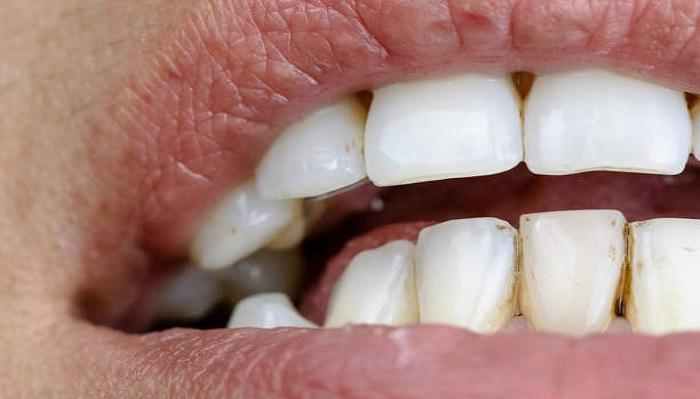
A bright, white smile can instantly boost your confidence and make a positive impression. However, brown streaks on your teeth can be a source of embarrassment and may make you feel self-conscious about your appearance. These unsightly discolorations can affect how you feel about your smile and how others perceive it. In this article, we will explore how brown streaks on your teeth impact your smile, the causes behind them, and how to address them effectively.
The Impact on Your Smile's Aesthetic
One of the first things people notice when you smile is your teeth. Visibly discolored teeth can take away from the overall attractiveness of your smile. Brown streaks are particularly noticeable because they contrast with the natural whiteness of healthy teeth, often making the smile appear dull or unhealthy. This can lead to feelings of insecurity, especially when you're in social situations where smiling is essential. Whether you're at a party, a job interview, or just chatting with friends, brown streaks on your teeth can make you feel self-conscious and hesitant to show your smile fully.
Causes of Brown Streaks on Teeth
Brown streaks on teeth can appear for a variety of reasons, ranging from lifestyle choices to underlying health conditions. These brown streaks on teeth are often the result of consuming stain-causing foods and drinks, such as coffee, tea, and red wine, which can gradually leave discolorations on the enamel. Other lifestyle factors like smoking or using tobacco products also contribute significantly to this issue, as nicotine and tar can cling to the teeth and form stubborn brown marks. Additionally, poor oral hygiene can lead to the build-up of plaque and tartar, which can cause brown streaks over time. Certain medications and health conditions may also play a role in the development of these stains, making it important to stay on top of your oral health care.
1. Poor Oral Hygiene
One of the most common causes of brown streaks is inadequate oral hygiene. When plaque and tartar build up on your teeth, it can cause discoloration. If you’re not brushing and flossing regularly, food particles and bacteria can stain your teeth, leading to brown streaks over time. Brushing twice a day and flossing regularly can help prevent plaque buildup and keep your smile bright.
2. Dietary Habits
Certain foods and drinks are known for staining teeth. Coffee, tea, red wine, and dark-colored berries contain tannins, which can stain your teeth when consumed regularly. Sugary foods and drinks can also contribute to tooth discoloration by encouraging bacterial growth, which can result in brown stains. Limiting your intake of these stain-causing foods and beverages can help prevent brown streaks.
3. Smoking or Tobacco Use
Smoking and using tobacco products can have a significant impact on the color of your teeth. Nicotine and tar in tobacco leave behind yellow and brown stains that can be difficult to remove. Over time, these stains can develop into persistent brown streaks, making it harder to achieve a whiter smile.
4. Medication Side Effects
Some medications can cause brown streaks on teeth as a side effect. For example, certain antibiotics, like tetracycline, can leave dark stains on the teeth if taken during childhood while the teeth are still developing. Additionally, medications used to treat high blood pressure or antihistamines can contribute to staining over time. If you're concerned about medication-induced discoloration, speak with your dentist for advice on alternatives.
5. Tooth Decay or Enamel Erosion
Tooth decay and enamel erosion can also lead to brown streaks on your teeth. As enamel weakens or wears away, the inner dentin layer of the tooth becomes more exposed. Dentin is naturally yellow or brown, and as enamel thins, these stains may become more visible. Regular dental checkups are essential to detect early signs of tooth decay and enamel erosion, allowing for timely treatment.
The Psychological Effect of Brown Streaks on Teeth
Beyond their aesthetic impact, brown streaks on teeth can also have psychological effects. When you feel self-conscious about your smile, it can affect your overall confidence and how you interact with others. Studies have shown that people with discolored or stained teeth are less likely to smile freely, and they may even avoid situations where they feel their teeth will be visible. This can lead to social withdrawal or an overall decline in self-esteem. On the flip side, people with brighter, whiter smiles tend to smile more, which can positively impact their mood and confidence. A radiant smile is often associated with youth, health, and vitality, while discolored teeth can convey the opposite. The emotional toll of dealing with brown streaks on your teeth can go beyond cosmetic concerns, affecting how you feel about yourself and how you communicate with others.
How to Get Rid of Brown Streaks on Teeth
Luckily, there are several ways to address brown streaks and restore your smile. Here are some options:
1. Professional Teeth Whitening
If you're struggling with persistent brown streaks, professional teeth whitening is one of the most effective treatments. Dentists can use advanced whitening methods to break down the stains and restore your teeth to their natural color. In-office treatments tend to deliver quicker and more noticeable results compared to over-the-counter products.
2. At-Home Whitening Kits
For a more budget-friendly solution, at-home teeth whitening kits can also be effective in reducing brown streaks. These kits typically contain whitening gels or strips that you apply to your teeth over a period of time. While they may take longer to show results, they can be a convenient and affordable option.
3. Regular Brushing and Flossing
Maintaining a consistent oral hygiene routine is crucial for preventing and reducing brown streaks. Brushing your teeth twice a day with fluoride toothpaste, along with flossing regularly, can help remove plaque and food particles that contribute to discoloration. Using a whitening toothpaste can also help brighten your teeth over time.
4. Avoiding Staining Foods and Drinks
To prevent brown streaks from forming, it’s important to limit your intake of staining foods and drinks. If you do consume beverages like coffee or tea, try rinsing your mouth with water afterward to reduce the risk of staining. Drinking these beverages through a straw can also minimize contact with your teeth.
5. Regular Dental Checkups
Visiting your dentist regularly for cleanings and checkups is essential for maintaining a healthy, bright smile. Professional cleanings remove plaque and tartar buildup that can contribute to brown streaks. Your dentist can also detect any signs of tooth decay or enamel erosion early, preventing further discoloration.
The Dangers of Plaque Build-Up on Your Teeth
One of the biggest dangers of tooth plaque build-up is its ability to cause tooth decay. As tooth plaque build-up sits on your teeth, it releases acids that erode tooth enamel, the protective outer layer of your teeth. Over time, this acid wear can lead to cavities, small holes in your teeth that can grow larger if left untreated. Tooth decay isn't just about cavities, though. If the decay progresses deeper into the tooth, it can affect the nerves and blood vessels inside the tooth, leading to severe pain and possible infection. In extreme cases, untreated tooth plaque build up and decay can result in tooth loss, requiring costly treatments such as root canals or extractions.
What Is Plaque?
Plaque is a soft, sticky substance that accumulates on your teeth and is made up of bacteria that feed on food particles, especially sugars. The bacteria in plaque produce acids that can attack your tooth enamel, leading to various dental problems if not cleaned away regularly. While plaque can be removed with proper oral care, if left unchecked, it hardens into tartar, which can only be removed by a dentist or hygienist. This process can lead to more severe issues with your teeth and gums.
Tooth Decay
One of the biggest dangers of tooth plaque build-up is its ability to cause tooth decay. As tooth plaque builds sits on your teeth, it releases acids that erode tooth enamel, the protective outer layer of your teeth. Over time, this acid wear can lead to cavities, small holes in your teeth that can grow larger if left untreated. Tooth decay is not just about cavities. If decay progresses deeper into the tooth, it can affect the nerves and blood vessels inside the tooth, leading to severe pain and possible infection. In extreme cases, untreated tooth decay caused by plaque can result in tooth loss, requiring costly treatments such as root canals or extractions.
Plaque's Hidden Threat
Another significant danger of plaque build-up is gum disease, also known as periodontal disease. When plaque is left on your teeth, it can irritate your gums, leading to inflammation, redness, and bleeding symptoms of gingivitis, the earliest stage of gum disease. Gingivitis can be reversed with proper oral hygiene, but if it’s not treated, it can progress into periodontitis, a more severe form of gum disease. Periodontitis involves the infection of the gums and the structures that support your teeth, including the bone. This condition can cause gums to recede, teeth to loosen, and, in severe cases, tooth loss. The bacteria in plaque can also lead to systemic issues, such as heart disease, diabetes, and respiratory problems, making it crucial to address plaque build-up before it worsens.
Plaque and Bad Breath
Plaque is not just a problem for your teeth and gums—it can also cause persistent bad breath (halitosis). As plaque accumulates, it creates a breeding ground for bacteria that release foul-smelling sulfur compounds. These compounds can make your breath smell unpleasant, which can be embarrassing and affect your confidence. By regularly brushing and flossing, you can significantly reduce plaque build-up and the bacteria that contribute to bad breath. Using mouthwash with antimicrobial properties can also help kill bacteria and keep your breath fresh.
Plaque Build-Up and Tooth Sensitivity
When plaque is allowed to build up around your gums, it can cause inflammation and gum recession, which exposes the sensitive parts of your teeth. This can lead to tooth sensitivity, making it uncomfortable to eat hot, cold, or sweet foods. Sensitive teeth can be a result of plaque-induced gum disease, which wears away at the gums and exposes the roots of the teeth. Tooth sensitivity can affect your quality of life, making it difficult to enjoy certain foods or beverages. Preventing plaque build-up can help you avoid this painful condition and keep your smile healthy.
How to Prevent Plaque Build-Up
The good news is that plaque build-up is preventable with consistent oral hygiene habits. Here are some key steps to take to avoid plaque-related issues:
-
Brush Twice a Day: Brush your teeth at least twice a day using fluoride toothpaste. Make sure to brush for at least two minutes, covering all surfaces of your teeth, including the back molars.
-
Floss Daily: Flossing is crucial for removing food particles and plaque from between your teeth and along the gum line, areas that a toothbrush may miss.
-
Visit Your Dentist Regularly: Regular dental check-ups and professional cleanings are essential for maintaining optimal oral health. A dentist can remove any tartar build-up and catch early signs of tooth decay or gum disease before they become serious.
-
Limit Sugary Foods and Drinks: Plaque-forming bacteria thrive on sugar, so reducing your intake of sugary foods and drinks can help minimize plaque build-up. Drink plenty of water and choose healthy snacks like fruits and vegetables.
-
Use Mouthwash: Antimicrobial mouthwash can help reduce plaque by killing bacteria and freshening your breath. Look for mouthwashes that are designed to help prevent plaque formation.
Conclusion
Plaque build-up is a significant threat to your oral health, causing tooth decay, gum disease, bad breath, and tooth sensitivity. If left untreated, plaque can lead to more severe dental problems, which may require expensive treatments or result in tooth loss. The good news is that with a consistent oral hygiene routine, regular dental visits, and smart dietary choices, plaque build-up can be prevented and managed. By taking action today, you can protect your smile and enjoy healthier teeth and gums for years to come.
FAQs
1. What is plaque, and why does it form on my teeth?
Plaque is a sticky, colorless film of bacteria, food particles, and saliva that naturally forms on your teeth throughout the day. It develops when bacteria in your mouth feed on food, especially sugars, and release acids that can damage tooth enamel and gums.
2. How does plaque affect my teeth?
If plaque is not removed through brushing and flossing, it can lead to tooth decay, cavities, and gum disease. The bacteria in plaque produce acids that break down tooth enamel, leading to cavities. Over time, plaque can harden into tartar, which can only be removed by a dentist.
3. What are the signs of plaque build-up on my teeth?
Early signs of plaque build-up include a sticky feeling on your teeth, bad breath, or slight gum irritation. As plaque hardens into tartar, you may notice your gums bleeding when you brush or floss, or your teeth becoming sensitive to hot or cold foods.
4. Can plaque cause gum disease?
Yes, plaque build-up is one of the leading causes of gum disease (gingivitis). When plaque irritates the gums, it can lead to redness, swelling, and bleeding. If untreated, gingivitis can progress to more serious gum diseases like periodontitis, which can damage the bone that supports your teeth.
5. How can I prevent plaque build-up?
Prevent plaque build-up by brushing your teeth at least twice a day with fluoride toothpaste, flossing daily, visiting your dentist regularly for check-ups and cleanings, and avoiding sugary foods and drinks that promote plaque formation. Using mouthwash with antimicrobial properties can also help reduce plaque.
6. How does plaque contribute to bad breath?
Plaque harbors bacteria that produce sulfur compounds, which are responsible for the foul odor associated with bad breath (halitosis). Removing plaque through regular brushing and flossing helps reduce bad breath.
7. How can I remove plaque from my teeth?
The best way to remove plaque is by brushing your teeth twice a day with fluoride toothpaste, flossing daily, and using an antibacterial mouthwash. Regular dental visits are essential for professional cleanings to remove hardened tartar that can’t be removed with brushing alone.

 English
 Arabic
 French
 Spanish
 Portuguese
 Deutsch
 Turkish
 Italiano
 Russian
 Romaian
 Portuguese (Brazil)
 Greek
Greek