


Flexible Packaging: The Smart, Sustainable, and High-Performance Packaging Solution
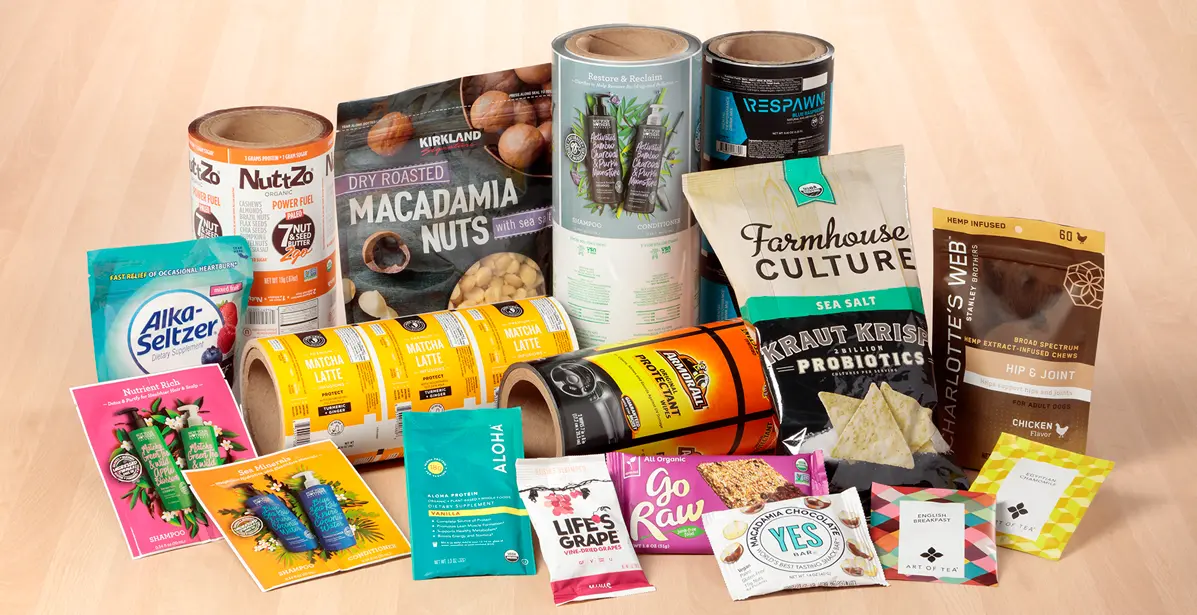
Introduction to Flexible Packaging
We recognize flexible packaging as one of the most transformative advancements in modern packaging solutions. Designed to adapt, protect, and enhance products across industries, flexible packaging has become the preferred choice for brands seeking efficiency, sustainability, and consumer appeal. From food and beverages to pharmaceuticals and personal care, flexible packaging delivers unmatched versatility while maintaining superior product integrity.
Unlike rigid alternatives, a flexible packaging company uses lightweight materials that reduce transportation costs, improve shelf life, and enable innovative designs. This packaging format aligns with modern consumer demands for convenience, sustainability, and visual appeal.
What Is Flexible Packaging?
Flexible packaging refers to any package or part of a package whose shape can be readily changed. It includes pouches, sachets, wraps, films, liners, and bags manufactured from materials such as plastic films, aluminum foil, paper, or multi-layer laminates. These materials are engineered to provide strength, barrier protection, and design flexibility without excessive material usage.
We focus on flexible packaging because it delivers high functionality with minimal environmental impact, making it a future-ready packaging solution.
Key Benefits of Flexible Packaging
Enhanced Product Protection
Flexible packaging offers superior barrier properties against moisture, oxygen, light, and contaminants. Multi-layer structures preserve freshness, flavor, and potency, making them ideal for perishable goods and sensitive products.
Cost Efficiency and Logistics Advantages
Reduced material usage results in lower production costs and decreased shipping expenses. Flexible packaging occupies less space during storage and transport, improving supply chain efficiency while minimizing carbon emissions.
Design Versatility and Branding Impact
Flexible packaging supports high-quality printing, vibrant colors, matte or glossy finishes, and custom shapes. This allows brands to stand out on crowded shelves and deliver a memorable unboxing experience.
Consumer Convenience
Features such as resealable closures, tear notches, spouts, and single-serve options enhance user experience. These elements increase usability while reducing product waste.
Flexible Packaging Materials Explained
Plastic Films
Plastic films such as polyethylene (PE), polypropylene (PP), and polyester (PET) provide durability, clarity, and heat resistance. These materials are widely used due to their adaptability and performance.
Aluminum Foil
Aluminum foil offers exceptional barrier protection, preventing exposure to air, light, and moisture. It is commonly used in food, pharmaceutical, and medical packaging.
Paper-Based Laminates
Paper laminates combine natural aesthetics with functional strength, offering an eco-conscious appearance while maintaining structural integrity.
Multi-Layer Laminates
Multi-layer laminates integrate multiple materials into one structure, delivering customized performance characteristics such as extended shelf life and enhanced durability.
Industries That Rely on Flexible Packaging
Food and Beverage Packaging
Flexible packaging dominates the food and beverage industry due to its ability to maintain freshness, extend shelf life, and support portion control. Stand-up pouches, vacuum-sealed bags, and retort packaging are widely adopted.
Pharmaceutical and Medical Packaging
Precision and safety are paramount in pharmaceuticals. Flexible packaging ensures tamper evidence, contamination prevention, and dosage accuracy.
Personal Care and Cosmetics
From shampoo sachets to cosmetic refill pouches, flexible packaging provides elegance, portability, and cost efficiency while supporting sustainable refill systems.
Household and Industrial Products
Detergents, chemicals, and industrial goods benefit from durable, leak-resistant flexible packaging that ensures safe handling and storage.
Sustainability and Environmental Impact
Material Reduction and Waste Minimization
Flexible packaging uses significantly less raw material than rigid packaging, resulting in a lower environmental footprint. Reduced packaging weight directly translates to fewer greenhouse gas emissions.
Recyclable and Eco-Friendly Innovations
We see rapid innovation in recyclable mono-material structures, compostable films, and bio-based plastics. These solutions support circular economy goals while maintaining performance standards.
Lower Carbon Emissions
Efficient production processes and lightweight materials contribute to reduced energy consumption during manufacturing and transportation.
Flexible Packaging Design Trends
Minimalist and Premium Aesthetics
Brands increasingly adopt clean typography, muted color palettes, and premium finishes to communicate quality and trust.
Smart Packaging Features
Integration of QR codes, traceability features, and smart labels enhances consumer engagement and transparency.
Customization and Short-Run Printing
Digital printing enables short production runs, personalization, and rapid market testing, empowering brands to respond quickly to market trends.
Flexible Packaging vs. Rigid Packaging
Flexible packaging outperforms rigid packaging in multiple areas:
-
Lower material usage
-
Reduced transportation costs
-
Improved sustainability metrics
-
Enhanced consumer convenience
While rigid packaging remains relevant for certain applications, flexible packaging continues to gain market share due to its adaptability and efficiency order to custom product packaging.
Quality Control and Compliance
We emphasize strict adherence to international quality standards and regulatory compliance. Flexible packaging is designed to meet food safety, pharmaceutical regulations, and environmental guidelines without compromising performance.
Future of Flexible Packaging
The future of flexible packaging is defined by innovation, sustainability, and digital integration. Advancements in recyclable materials, smart packaging technologies, and automation will further enhance efficiency and environmental responsibility.
As consumer preferences evolve, flexible packaging will remain at the forefront of packaging innovation, offering scalable solutions for global brands.
Conclusion
Flexible packaging represents the ideal balance between performance, sustainability, and cost efficiency. Its ability to adapt across industries, protect products, and elevate brand identity makes it an indispensable packaging solution. We continue to see flexible packaging redefine the standards of modern packaging through innovation, environmental responsibility, and consumer-centric design.

 English
 Arabic
 French
 Spanish
 Portuguese
 Deutsch
 Turkish
 Dutch
Dutch
 Italiano
 Romaian
 Portuguese (Brazil)
 Greek
Greek