


Beyond Cardboard: Exploring the Future of Burger Box Materials
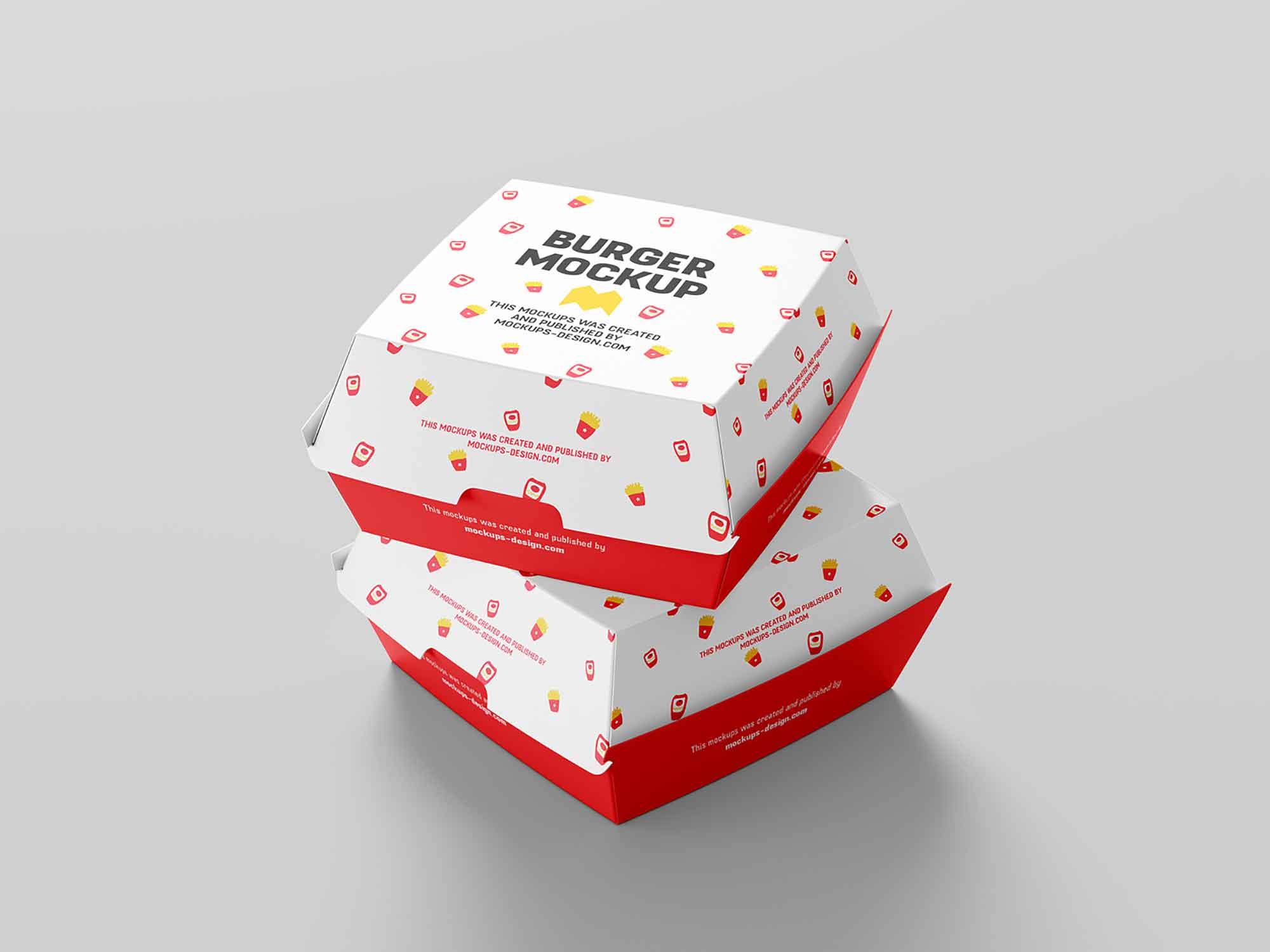
Fast-food packaging is evolving faster than ever. Restaurants are moving beyond recycled cardboard to explore sustainable, functional, and innovative materials. Modern burger box materials focus on durability, environmental safety, and customer experience.
Biodegradable Plant Plastics
Biodegradable plant plastics are changing the packaging industry. They are made from renewable resources like corn, sugarcane, or cassava. Unlike conventional plastic, these materials break down naturally in composting environments.
They offer excellent resistance to moisture and grease, keeping burgers fresh during transport. Their lightweight structure reduces shipping costs and carbon footprints. Restaurants can also shape these plastics into unique burger box designs.
Some limitations remain. Industrial composting is usually required for full decomposition. Home composting may not be effective, which makes disposal a challenge for consumers. However, continuous research is improving their breakdown efficiency.
Plant-based plastics also allow for printing vibrant logos and patterns. This helps businesses maintain brand identity without sacrificing sustainability. Their versatility makes them an attractive alternative for next-gen packaging, combining convenience with eco-consciousness.
Mushroom-Derived Packaging
Mushroom packaging is made from mycelium, the root network of fungi. When grown in molds, it forms a dense, biodegradable material. This makes it an excellent alternative to cardboard or foam.
The material is resistant to heat and moisture, ideal for greasy or hot burgers. Its customizability allows restaurants to produce boxes in various shapes and sizes. Additionally, mushroom packaging requires minimal energy to produce.
This approach significantly reduces environmental impact while maintaining durability. The compostable nature of mushroom materials ensures zero waste at the end of its life cycle. As technology advances, mushroom-derived burger boxes could become mainstream, offering both functional and sustainable solutions for the fast-food industry.
Sugarcane Fiber Packaging
Sugarcane bagasse is a leftover fiber from sugar production. It is strong, lightweight, and naturally grease-resistant. Bagasse packaging is fully compostable and offers a high-quality solution for modern burger boxes.
Its flexibility allows for ergonomic designs that hold burgers securely. The surface also accommodates printing for branding purposes, enhancing visual appeal. Bagasse can handle both hot and cold foods, making it versatile for restaurant use.
Using sugarcane fibers reduces waste while turning a byproduct into valuable packaging. The material is cost-effective and accessible, allowing even small chains to adopt sustainable practices. With growing consumer demand, bagasse packaging is likely to be a preferred choice in the coming years.
Edible Packaging Innovations
Edible packaging is a creative solution to waste reduction. Made from rice paper, seaweed, or starch, it can be consumed along with the burger. This eliminates packaging waste entirely and adds a novel dining experience.
Edible packaging is lightweight and biodegradable if not eaten. It also reduces the need for single-use wrappers or additional packaging. Some materials can be flavored, complementing the burger’s taste while enhancing the dining experience.
Challenges include mass production and shelf life. The material must stay sturdy enough to hold food without breaking. Despite these obstacles, edible packaging represents a zero-waste future. Restaurants using edible wrappers showcase innovation, sustainability, and creativity simultaneously.
Innovative Paper Blends
Paper blends combine fibers from bamboo, wheat straw, or recycled paper. These blends are treated to resist grease, moisture, and heat. They are lightweight, sturdy, and fully compostable.
- Bamboo fibers reduce reliance on tree-based paper
- Wheat straw adds structural strength
- Recycled paper lowers waste and energy use
- Blends can be molded into unique box shapes
- Surface printing supports branding
Paper blends provide a balance between traditional cardboard familiarity and advanced sustainability. Restaurants benefit from both practicality and eco-consciousness, creating packaging that is both functional and environmentally responsible.
Water-Resistant Coatings for Next-Gen Boxes
Water-resistant coatings improve durability and prevent leakage. They are applied to cardboard or plant-based materials. Natural waxes, plant oils, or biodegradable polymers are commonly used.
These coatings maintain the box’s shape and integrity when holding greasy burgers. They also allow for high-quality printing, ensuring logos and designs stay intact. Reducing the need for extra wrapping materials minimizes waste.
Restaurants can improve customer satisfaction and operational efficiency by using coated boxes. They are especially useful for deliveries, drive-thru, or takeaway services. Integrating coatings with sustainable materials ensures durability without harming the environment.
Biodegradable Plastics
Biodegradable plastics, usually made from PLA or similar biopolymers, degrade faster than traditional plastics. They are perfect for single-use burger boxes, providing durability and environmental benefits.
These plastics can resist grease and heat, making them functional for restaurant needs. They also allow custom shapes and branding opportunities, maintaining brand identity. Proper disposal in composting environments ensures complete decomposition.
Despite limitations in home composting, biodegradable plastics remain a substantial improvement over conventional plastics. They provide a practical, eco-conscious choice for businesses transitioning to sustainable packaging.
Branding and Customization Opportunities
Modern materials also allow restaurants to focus on branding and customer engagement. Custom Burger Boxes can be designed with logos, colors, and patterns, making the packaging a marketing tool.
Sustainable packaging demonstrates responsibility, attracting eco-conscious consumers. Unique designs improve the unboxing experience, enhancing customer satisfaction. Innovative materials like plant plastics, mushroom, or paper blends support both functionality and aesthetics.
Investing in next-gen burger boxes builds customer loyalty and strengthens a restaurant’s public image. Sustainability and creativity together create a competitive advantage in a market that increasingly values environmentally responsible choices.
Smart Packaging Features
Smart packaging is a growing trend in fast-food delivery. Materials can include temperature retention layers, freshness indicators, or QR codes for interactive experiences. Some materials even change color to indicate if food remains safe or warm.
Combining smart features with sustainable materials ensures convenience and eco-friendliness. Restaurants can improve delivery experiences while reducing food waste. Smart packaging also allows interactive marketing, enhancing engagement and brand recognition.
As technology advances, these solutions will become more accessible and cost-effective. Smart and sustainable packaging is likely to define the next era of burger boxes, combining functionality, eco-consciousness, and innovation.
Conclusion
The future of burger box materials goes far beyond recycled cardboard. Restaurants now have access to innovative, sustainable options like plant-based plastics, mushroom packaging, edible wrappers, sugarcane fibers, and biodegradable plastics. Each material offers unique benefits, from durability and grease resistance to environmental friendliness and customization potential.
Sustainable packaging not only reduces waste but also enhances brand identity and customer experience. Custom Burger Boxes can serve as a marketing tool while demonstrating a commitment to eco-conscious practices. With smart packaging features and creative designs, next-generation materials are reshaping the fast-food industry.
Adopting these advanced materials is no longer just a trend—it’s a responsibility. By choosing eco-friendly solutions, businesses can improve operational efficiency, reduce their environmental footprint, and build stronger connections with customers. The shift to next-gen burger boxes is a practical, forward-thinking move that benefits both restaurants and the planet.
Place Your Order Now at Ibex Packaging: https://ibexpackaging.com/burger-boxes/

 English
 Arabic
 French
 Spanish
 Portuguese
 Deutsch
 Turkish
 Dutch
Dutch
 Italiano
 Russian
 Portuguese (Brazil)
 Greek
Greek