


Bahi Ka Murabba Benefits | Quince Murabba Health Uses in Pakistan
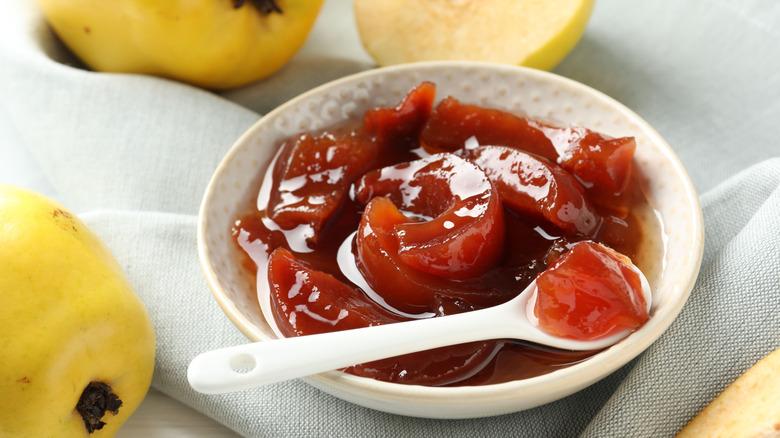
Quince Murabba, locally known as Bahi ka Murabba, holds a special place in Pakistani kitchens, especially during winter months. Prepared using ripe quince fruit slow-cooked in sugar syrup, this traditional preserve is valued not only for its unique taste but also for its remarkable health properties rooted in Unani and Eastern medicine. Generations have relied on it as both a food and a natural remedy.
This detailed guide explores history, nutrition, traditional uses, and bahi ka murabba benefits, helping readers in Pakistan understand why this age-old delicacy still matters today.
What Is Quince Murabba (Bahi ka Murabba)?
Quince, called Bahi in Urdu, resembles a pear but has a firmer texture and aromatic fragrance. In raw form, quince is quite hard and sour, which is why it is traditionally cooked into murabba. Sugar syrup softens the fruit and enhances its flavor while acting as a natural preservative.
In Pakistan, Bahi ka Murabba is commonly eaten at breakfast with paratha, taken as a spoon after meals, or used as a seasonal tonic during cold weather.
Cultural Importance in Pakistan
Unani hakims and elders often recommend quince murabba for strengthening the heart, digestion, and nerves. Its use is widespread in Punjab, Khyber Pakhtunkhwa, and parts of Sindh, particularly during winter when warming foods are preferred.
Nutritional Profile of Quince Murabba
Although murabba contains sugar, quince itself is packed with beneficial nutrients that remain partially intact after cooking.
Key Nutrients Found in Quince
-
Dietary fiber
-
Vitamin C
-
Potassium
-
Iron (small amounts)
-
Natural antioxidants
These nutrients contribute to many of the bahi ka murabba benefits recognized in traditional Pakistani households.
Bahi Ka Murabba Benefits for Health
Supports Digestive Health
Digestive issues such as gas, acidity, and constipation are common concerns. Bahi ka murabba is considered gentle on the stomach and helps regulate bowel movements due to the fiber content of quince.
H3: Relief from Acidity and Indigestion
Traditional use suggests taking one spoon after meals to soothe the stomach lining and reduce acidity, especially for people consuming spicy Pakistani foods.
Strengthens the Heart
One of the most well-known bahi ka murabba benefits is its positive effect on heart health. Quince is believed to support cardiovascular function and improve circulation.
H3: Helpful for Weak Heart and Palpitations
Unani medicine often prescribes quince preparations for people experiencing anxiety-related palpitations or general heart weakness.
Boosts Immunity in Winter
Cold and flu are common during Pakistani winters. Quince contains antioxidants and vitamin C, which help strengthen the immune system.
H3: Protection Against Seasonal Illness
Regular consumption may help the body fight infections and recover faster from coughs and colds.
Improves Mental Strength and Mood
Mental fatigue, stress, and restlessness are increasingly common due to modern lifestyles. Bahi ka murabba is traditionally considered a brain and nerve tonic.
H3: Calming Effect on Mind and Nerves
Elders often recommend it for students and individuals dealing with anxiety or poor sleep.
Supports Women’s Health
Another important area where bahi ka murabba benefits stand out is women’s wellness.
H3: Helpful in Weakness and Post-Illness Recovery
Women experiencing general weakness, especially after illness, may benefit from its nourishing and warming properties.
Aids in Respiratory Health
Quince has mild expectorant qualities when cooked.
H3: Relief from Dry Cough and Throat Irritation
Consuming murabba with lukewarm water is sometimes suggested to soothe dry cough and throat discomfort.
How to Consume Bahi Ka Murabba Properly
Moderation is key, especially due to sugar content.
Recommended Quantity
-
One to two teaspoons daily
-
Best consumed in the morning or after meals
People with diabetes should consult a doctor before regular use.
Traditional Pakistani Ways to Eat It
-
With paratha at breakfast
-
As a spoonful after lunch or dinner
-
Paired with warm milk in winter (as advised by elders)
Homemade vs Market Bahi Ka Murabba
Both homemade and store-bought options are available in Pakistan.
Homemade Murabba
Advantages include control over sugar quantity and use of fresh fruit. Many families still prepare it at home during quince season.
Market Murabba
Easily available at herbal stores and grocery shops, especially in winter. Always check quality, cleanliness, and sugar crystallization before buying.
Precautions and Possible Side Effects
Despite many bahi ka murabba benefits, excess consumption may lead to issues.
Things to Keep in Mind
-
High sugar content may affect diabetics
-
Overconsumption can cause weight gain
-
Should not replace medical treatment
Balanced intake ensures maximum benefit without harm.
Why Bahi Ka Murabba Still Matters Today
Modern supplements and medicines are widely available, yet traditional foods like quince murabba remain relevant. Natural remedies align well with Pakistani dietary habits and cultural values.
Rising interest in organic and traditional wellness solutions has brought renewed attention to foods passed down through generations. Bahi ka murabba represents a perfect blend of taste, tradition, and health.
Final Thoughts
Bahi ka murabba is more than a sweet preserve; it is a time-tested natural remedy deeply rooted in Pakistani culture. From supporting digestion and heart health to boosting immunity and calming the mind, the benefits are wide-ranging when consumed responsibly.
Including this traditional murabba in daily routine, especially during colder months, can be a simple and delicious way to support overall well-being. As with all traditional remedies, moderation and awareness remain essential for enjoying its full value.

 English
 Arabic
 French
 Spanish
 Portuguese
 Deutsch
 Turkish
 Dutch
Dutch
 Italiano
 Russian
 Romaian
 Greek
Greek