


A Complete Canadian Guide to Choosing and Installing Quality Doors
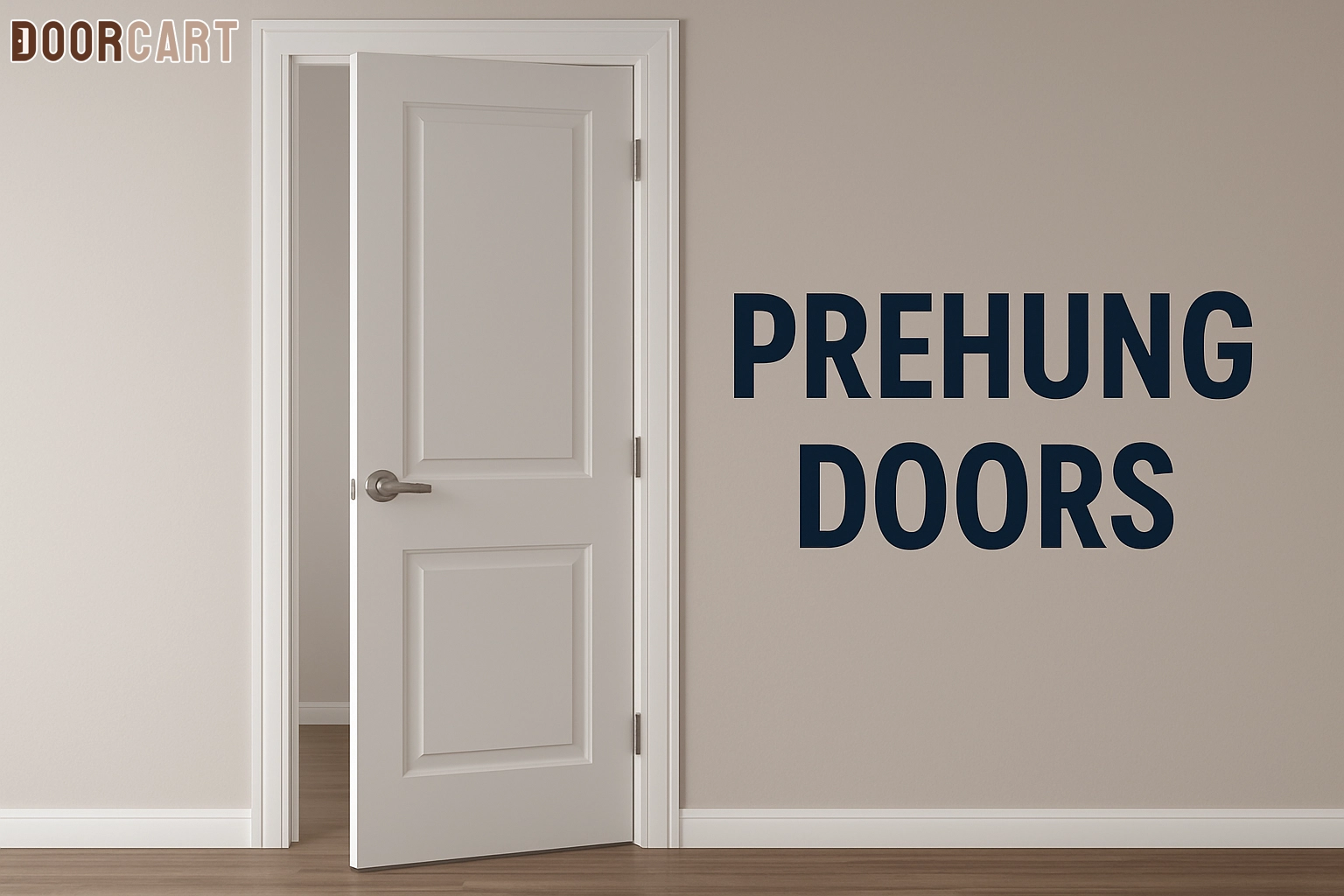
Choosing the right door for your home is about more than curb appeal. Doors play a vital role in energy efficiency, security, comfort, and long-term value. In Canada’s varied climates — from the snowy winters of Saskatchewan to the coastal rain of British Columbia — doors must meet specific performance standards to keep your living space comfortable and protected year-round.
For many Canadian homeowners and contractors, selecting complete door systems that simplify installation and improve performance has become increasingly popular. Whether you are building a new home, renovating an older property, or upgrading worn-out entryways, understanding key door options in the market will help you make informed decisions that suit your budget and lifestyle.
Understanding the Basics: What You’re Buying Matters
Doors can be sold in several ways. At a basic level, you can buy just the door slab (the door itself), or you can choose a complete unit that includes the frame, hinges, and often weatherproofing features. The difference can be significant in terms of installation time, performance, and long-term durability.
In Canada, many builders prefer complete door units because they reduce guesswork and errors on the job site. These ready-to-install products arrive squared, plumbed, and ready for insulation and finishing touches. For ease of reference throughout this article, when talking about complete units, we will refer to them jointly using your keyword prehung doors.
Why Canadian Builders and Homeowners Like Ready-to-Install Units
1. Climate-Based Performance Is Essential
One of the biggest challenges for Canadian homes is managing heat transfer. In winter, cold air infiltration can dramatically increase heating costs, and in summer, poorly sealed doors can let cool air escape, hiking up air-conditioning bills.
Ready-to-install door units are often built with integrated weather seals, insulated cores, and precision-aligned frames that minimize drafts. Because they arrive assembled, they are more consistently square and true than doors installed piece by piece in the field. This consistency translates into better energy performance, which matters in Canadian climate zones where winters can be long and harsh.
2. Time and Labor Savings for Renovations and New Construction
Installing a door slab into a rough opening usually involves framing, leveling, shimming, and careful alignment of hinges and hardware. Even experienced carpenters can spend hours ensuring the door is perfectly square and operates smoothly.
By contrast, complete door units reduce those steps. With the frame and door already married and aligned, installation time shrinks considerably. For contractors managing tight schedules — and for DIY homeowners who want to avoid complex carpentry — this is a major advantage.
In the Canadian renovation market, where many homes have irregular framing or older structures that have shifted over time, having a unit that arrives ready to install makes a noticeable difference in both installation ease and outcome quality.
3. Durability and Security That Withstand the Elements
Canada’s weather doesn’t just test insulation — it also challenges door materials. Rain, snow, freezing temperatures, and UV exposure can cause warping, cracking, and finish failure if doors aren’t designed for tough conditions.
Ready-to-install units are offered in materials suited for Canadian climates, including steel, fiberglass, wood, and engineered composites. Each option has pros and cons:
-
Steel units are exceptionally strong and resist impact, making them good choices for exterior doors where security is a concern. However, steel can dent and may require touch-ups to protect against rust if the finish is compromised.
-
Fiberglass doors resist warping and swelling due to moisture, and can be filled with insulating foam to improve thermal performance. These qualities make them popular in regions with big temperature swings.
-
Wood offers classic aesthetics but requires more maintenance, particularly in wet or coastal areas where rot and moisture penetration are risks.
-
Composite materials blend the benefits of wood and synthetics, offering stability and resistance to common wear issues.
By choosing high-quality components and finishes suited to specific regional conditions, Canadian homeowners ensure doors remain functional and attractive for years.
Choosing the Right Unit for Your Canadian Home
Now that you understand why ready-to-install units are popular, the next step is selecting the one that meets your needs. Several factors should guide your choice:
Climate Considerations
Canada’s three major climate zones — Atlantic, Central, and Pacific — have different performance priorities. In Atlantic Canada, humidity and salt air can be concerns; doors here benefit from corrosion-resistant finishes and robust seals. In Central Canada, where winters are long and cold, maximizing insulation is paramount. In British Columbia, moisture resistance and rot prevention are top priorities.
When selecting a door, always check the thermal performance ratings. Look for products that meet ENERGY STAR® criteria for your climate zone and choose weatherstripping and threshold designs that complement your region’s weather challenges.
Material and Finish Choices
Your climate will influence material selection, but aesthetics matter too. Exterior doors come in a range of styles — from traditional raised panels to modern slab designs with glass inserts. Glass options add natural light and visual appeal, but they must be double or triple-glazed to maintain insulation values in cold climates.
Interior doors are typically chosen for design continuity and space function. Whether you prefer classic six-panel doors or clean, contemporary styles, selection depends on interior design goals and traffic patterns within the home.
Size and Configuration Options
Standard door sizes fit many applications, but Canadian homes often feature custom openings, especially in older properties. Manufacturers and retailers offer custom sizing options to accommodate non-standard dimensions. You can also choose sidelight panels, transoms, or multi-panel glass configurations if you want to increase natural light or create a more dramatic entrance.
When ordering custom units, double-check measurements and consult with professionals if needed. Accuracy here prevents costly delays or the need for costly adjustments on site.
Installation Considerations: Achieving Long-Term Performance
No matter how good the product is, improper installation can undermine performance. Here are best practices for installing complete door units in Canadian conditions:
-
Check the Rough Opening Carefully: Ensure the opening is square, plumb, and level before installation. Use shims to correct any misalignment.
-
Apply Proper Weatherproofing: Exterior units should be sealed with high-quality caulking and integrated with house wrap or flashing to divert moisture away from framing.
-
Allow for Drainage: Ensure thresholds are installed to promote water runoff. Standing water at the base of a door can lead to rot or seal failure.
-
Follow Manufacturer Instructions: Details such as screw placement, clearance tolerances, and hardware adjustments matter for warranty compliance and optimal function.
For many Canadian homeowners, professional installation ensures these steps are followed correctly, but skilled DIYers can undertake the work with proper preparation and tools.
Maintenance That Protects Your Investment
Once your door is installed, regular maintenance will help it perform well for many years:
-
Inspect weatherstripping annually and replace if worn.
-
Clean the door surface to remove salt, debris, and buildup that can degrade finishes.
-
Check hardware for tightness and smooth operation.
-
Refinish wood doors every few years to protect against moisture.
Maintenance is especially important in regions with aggressive weather patterns.
Final Thoughts: Long-Term Value for Canadian Homes
Choosing the right door for your home is a blend of style, performance, and practicality. In a country as geographically diverse as Canada, selecting a complete door system that simplifies installation and maximizes energy efficiency will pay dividends over time. Whether you are renovating a century home in Winnipeg or building a new house in Vancouver, making the right door choice enhances comfort, increases home value, and—most importantly—protects your investment.

 English
 Arabic
 French
 Spanish
 Portuguese
 Deutsch
 Turkish
 Dutch
Dutch
 Italiano
 Russian
 Romaian
 Portuguese (Brazil)