


What Factors Affect Quality in a Blow Molding Machine Process?
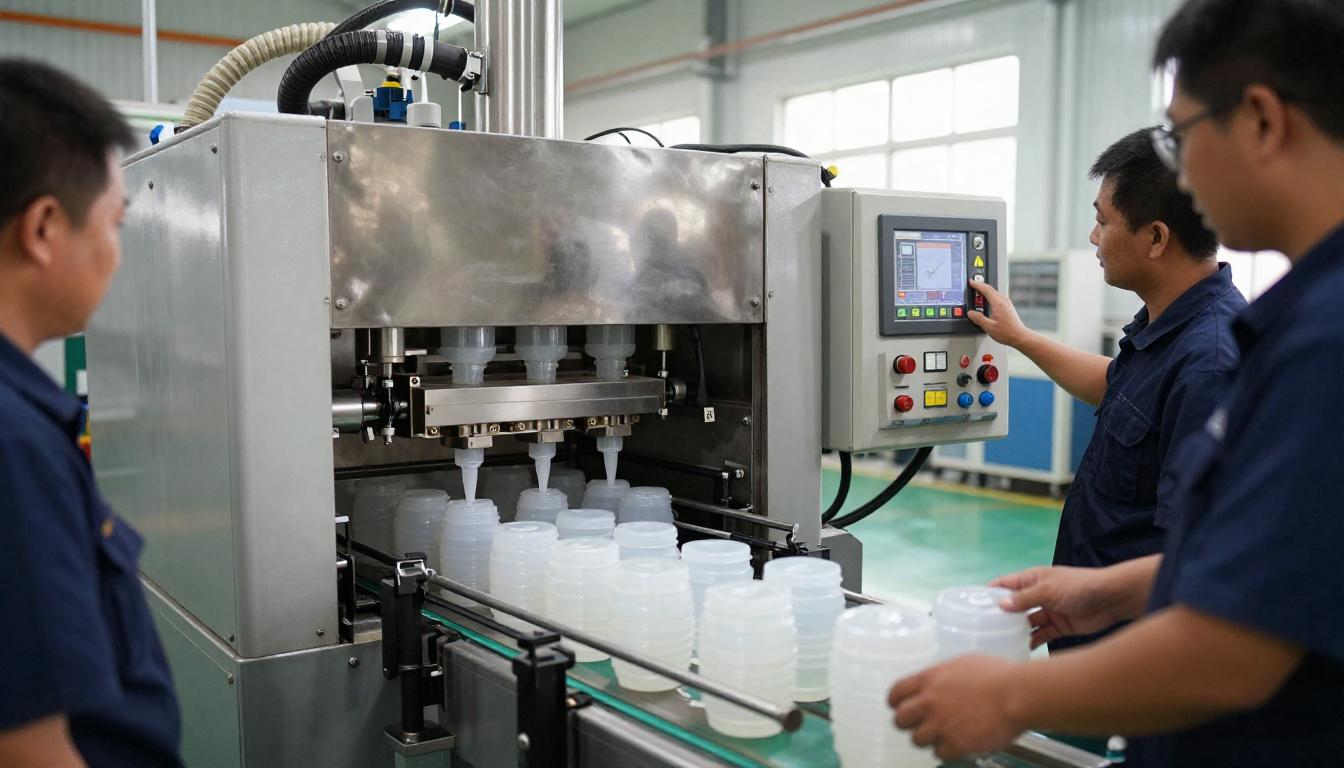
Quality in plastic containers does not happen by accident. Inside a factory, every bottle, can, or drum produced by a blow molding machine reflects dozens of small decisions made during production. Temperature settings, material flow, air pressure, mold condition, and operator handling all shape the final result. When any one of these elements goes off balance, quality issues appear quickly.
This article explains the key factors that affect quality in a blow molding machine process. It focuses on real factory conditions and explains how an extrusion blow molding machine maintains consistent results during daily production.
Why Quality Control Matters in Blow Molding Production
Quality affects more than appearance. Weak walls cause leaks. Poor neck finishes lead to cap failures. Uneven thickness reduces product strength. In large production runs, small defects can multiply into major losses.
Factories rely on extrusion blow molding machines because the process supports controlled forming. When the right factors stay aligned, production remains stable and waste stays low.
Raw Material Quality and Consistency
Quality begins with the plastic itself. Variations in resin grade, moisture content, or contamination directly affect how material melts and flows.
In a blow molding machine, plastic must melt evenly. Moist or inconsistent material creates bubbles, burn marks, or weak spots. Many factories dry raw material before feeding it into the hopper to maintain consistency.
Stable raw material input allows the extrusion blow molding machine to perform predictably during long shifts.
Temperature Control Across the Barrel
Temperature control plays a major role in quality. The barrel heats plastic through multiple zones. Each zone must stay balanced.
If temperature runs too low, plastic does not melt fully and forms rough surfaces. If temperature rises too high, plastic degrades and weakens. Modern machines use computer operating systems to regulate heat continuously.
Operators monitor temperature readings and make adjustments without stopping production. This control protects surface finish and wall strength.
Parison Thickness Control
The parison is the hollow tube formed before inflation. Its thickness determines wall distribution in the final product.
Uneven parison thickness leads to weak corners or heavy sections that waste material. Extrusion blow molding machines control parison size through die settings and material flow adjustments.
Live monitoring allows small corrections during operation. This keeps wall thickness balanced and reduces rejection rates.
Air Pressure During Inflation
Air pressure shapes the product inside the mold. Too little pressure prevents full mold contact. Too much pressure overstretches the plastic.
Blow molding machines rely on preset pressure values matched to mold size and product design. Operators adjust pressure based on real production feedback.
Balanced pressure creates smooth surfaces, strong corners, and accurate dimensions.
Mold Design and Condition
Mold quality directly affects product quality. Worn mold surfaces cause uneven texture. Poor alignment leads to flashing or deformation.
Factories inspect molds regularly. Cooling channels inside molds must remain clear to ensure even heat removal. Clean and well maintained molds support consistent results across production cycles.
Cooling Time and Uniformity
Cooling locks the product shape. Uneven cooling causes warping or shrinkage issues.
An extrusion blow molding machine uses water channels inside the mold to remove heat evenly. Cooling time must match wall thickness and product size.
Short cooling risks deformation. Excess cooling slows production. Balanced cooling supports both quality and output.
Operator Skill and Process Awareness
Even automated machines rely on human judgment. Operators monitor data and respond to changes in material behavior or machine performance.
Understanding how temperature, pressure, and flow interact allows operators to solve issues early. Skilled handling prevents defects before scrap accumulates.
Training plays a direct role in quality stability.
DID YOU KNOW?
Manufacturing plants that actively monitor temperature and parison thickness during blow molding often reduce quality defects by more than fifteen percent over extended production runs.
Machine Maintenance and Calibration
Worn components affect quality silently. Screw wear alters material flow. Sensors drift over time. Air valves lose accuracy.
Routine calibration ensures readings stay accurate. Preventive maintenance prevents quality drift during long shifts.
Modern extrusion blow molding machines often log performance data that helps teams schedule maintenance before defects appear.
Comparison Table Between Poor and Controlled Quality Conditions
| Area | Poor Quality Control | Controlled Quality Process |
|---|---|---|
| Raw Material | Inconsistent resin causes defects | Stable resin improves melting behavior |
| Temperature | Fluctuating heat damages plastic | Balanced zones protect material quality |
| Parison Control | Uneven walls create weak spots | Live control keeps thickness stable |
| Air Pressure | Irregular inflation causes distortion | Preset pressure forms accurate shapes |
| Cooling | Uneven cooling leads to warping | Uniform cooling locks shape correctly |
| Maintenance | Reactive repairs after defects | Preventive care maintains consistency |
This comparison shows how multiple factors combine to affect quality.
How Computer Operating Systems Improve Quality Control
Computer systems act as the central control unit of a blow molding machine. They track temperature pressure screw speed and cooling in real time.
Operators rely on visual data rather than guesswork. Adjustments happen instantly during production. Preset programs ensure consistency between shifts.
This automation supports reliable quality even during high volume production.
Real Factory Example One
A container plant experienced weak handles during peak production. Analysis showed uneven cooling near handle sections. Adjusting cooling flow restored strength without slowing output.
Real Factory Example Two
A packaging line saw surface dullness on bottles. Operators identified overheating in one barrel zone. Correcting the setting improved finish immediately.
These examples show how quality issues trace back to specific process factors.
Conclusion: How Quality Depends on Process Balance
Quality in a blow molding machine process depends on balance. Raw material consistency, accurate temperature control, stable parison formation, proper air pressure, and even cooling all work together. An extrusion blow molding machine performs best when each stage supports the next.
Understanding these factors helps operators respond faster and reduce waste. With proper monitoring and skilled handling, factories achieve stable quality during long production runs. This process knowledge remains essential for maintaining reliable output in modern plastic manufacturing.
Visit for news and updates at doconvo.com

 English
 Arabic
 French
 Spanish
 Portuguese
 Deutsch
 Turkish
 Dutch
Dutch
 Italiano
 Romaian
 Portuguese (Brazil)
 Greek
Greek