


Academic Writing in Multilingual Research Contexts
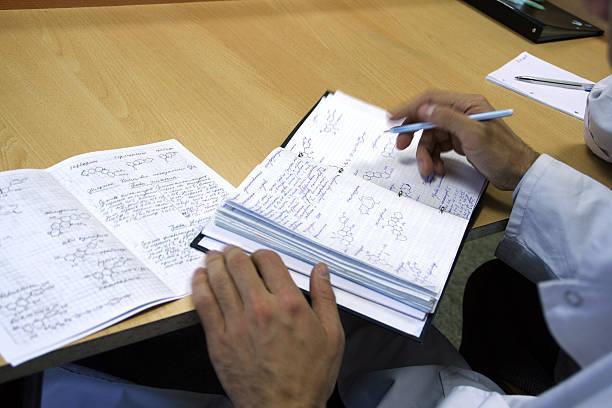
Understanding Academic Writing in Multilingual Research Contexts
Academic writing is a cornerstone of scholarly communication, yet it can present unique challenges when conducted in multilingual research contexts. Researchers who operate across languages must navigate not only the conventions of academic writing but also the nuances of cultural and linguistic differences. Multilingual contexts often arise in international collaborations, cross-cultural studies, and global research initiatives, where authors are expected to present complex ideas clearly to diverse audiences.
Successful academic writing in these environments requires a careful balance of linguistic precision, cultural sensitivity, and adherence to the norms of scholarly discourse. For non-native English speakers, the additional task of writing in English—the global language of academia—adds another layer of complexity. This makes understanding the principles and strategies of multilingual academic writing more important than ever.
Key Challenges in Multilingual Academic Writing
Language Proficiency and Expression
One of the primary challenges is language proficiency. Even researchers with advanced knowledge of their subject may struggle to express nuanced concepts in a second language. Subtle distinctions in meaning, tone, or emphasis can be lost, affecting the clarity and impact of the research.
Cultural and Disciplinary Conventions
Academic conventions vary not only by discipline but also by culture. For instance, the structure of arguments, citation practices, and the use of evidence can differ significantly between countries. Awareness of these differences is essential to avoid miscommunication or unintended bias.
Cognitive Load and Writing Efficiency
Writing in a non-native language increases cognitive load, as authors must simultaneously focus on content, structure, grammar, and style. This often results in longer drafting times, increased editing needs, and higher stress levels, impacting overall productivity.
Collaboration and Peer Review
Multilingual research teams may face challenges in collaboration, including misunderstandings due to language barriers, inconsistent terminology, and varying writing styles. Peer reviewers may also misinterpret subtle language nuances, affecting feedback and publication outcomes.
Effective Strategies for Multilingual Academic Writing
Planning and Outlining
A clear plan or outline is critical. Mapping out the structure of your paper in advance helps maintain focus and coherence. Use headings, subheadings, and bullet points to organize ideas logically. This approach is particularly helpful when translating complex concepts across languages.
Leveraging Language Support Tools
Digital tools like grammar checkers, style guides, and translation software can provide valuable support. While they cannot replace a deep understanding of the language, they help identify common errors, improve readability, and maintain consistency.
Peer Feedback and Mentorship
Seeking feedback from colleagues proficient in the target language is essential. Mentorship programs or writing groups can offer practical guidance on language use, argumentation, and formatting. Collaborative review helps refine clarity, tone, and scholarly rigor.
Understanding Audience Expectations
Tailoring academic writing to the intended audience is vital. Different journals, conferences, and academic communities may have specific stylistic and structural expectations. Paying attention to these norms increases the likelihood of acceptance and enhances scholarly credibility.
Continuous Language Development
Ongoing language development through reading, writing, and engagement with scholarly literature improves fluency over time. Researchers should actively expose themselves to academic texts in their target language to internalize discipline-specific terminology and writing conventions.
Supporting Multilingual Students and Researchers
Institutional Support
Universities and research institutions play a crucial role in supporting multilingual academic writing. Writing centers, workshops, and specialized tutoring can help students develop both language proficiency and research writing skills.
HNC Assignment Help
For students pursuing higher national certificates or equivalent programs, professional guidance such as HNC assignment help can be invaluable. Expert support ensures that assignments meet academic standards while addressing language-related challenges, allowing students to focus on developing their research ideas.
Collaboration and Networking
Joining international research networks or academic forums fosters exposure to diverse writing practices. Collaboration with peers from different linguistic backgrounds can improve both language skills and cultural understanding, enhancing the overall quality of scholarly work.
Common Pitfalls and How to Avoid Them
Over-reliance on Translation
While translation tools can assist, relying on them exclusively often results in awkward phrasing and semantic errors. Instead, use them as a starting point and refine the text manually to ensure natural, coherent expression.
Ignoring Disciplinary Conventions
Each academic discipline has specific expectations for structure, argumentation, and referencing. Familiarize yourself with these conventions early to avoid unnecessary revisions or misunderstandings during peer review.
Neglecting Revision and Proofreading
Revision is critical in multilingual contexts. Multiple rounds of editing, including grammar checks, peer review, and professional proofreading, can significantly improve clarity, style, and coherence.
Underestimating Cultural Context
Failing to account for cultural differences in communication style, argumentation, or citation norms can lead to misinterpretation. Awareness of these factors is essential for effective scholarly communication.
Conclusion
Academic writing in multilingual research contexts is both challenging and rewarding. Researchers must navigate linguistic, cultural, and disciplinary complexities to produce clear, coherent, and impactful work. By planning carefully, seeking feedback, leveraging support tools, and continuously developing language proficiency, multilingual scholars can excel in their academic endeavors.
Institutions and educators also have a critical role in providing resources, mentorship, and professional guidance. For students and researchers facing language-related challenges, seeking support through services like HNC assignment help can be a strategic step toward success. Ultimately, embracing the opportunities presented by multilingual research enriches both the quality and reach of academic scholarship.

 English
 Arabic
 French
 Spanish
 Portuguese
 Turkish
 Dutch
Dutch
 Italiano
 Russian
 Romaian
 Portuguese (Brazil)
 Greek
Greek