


What Jetour Owners Should Know About Road Safety and Performance
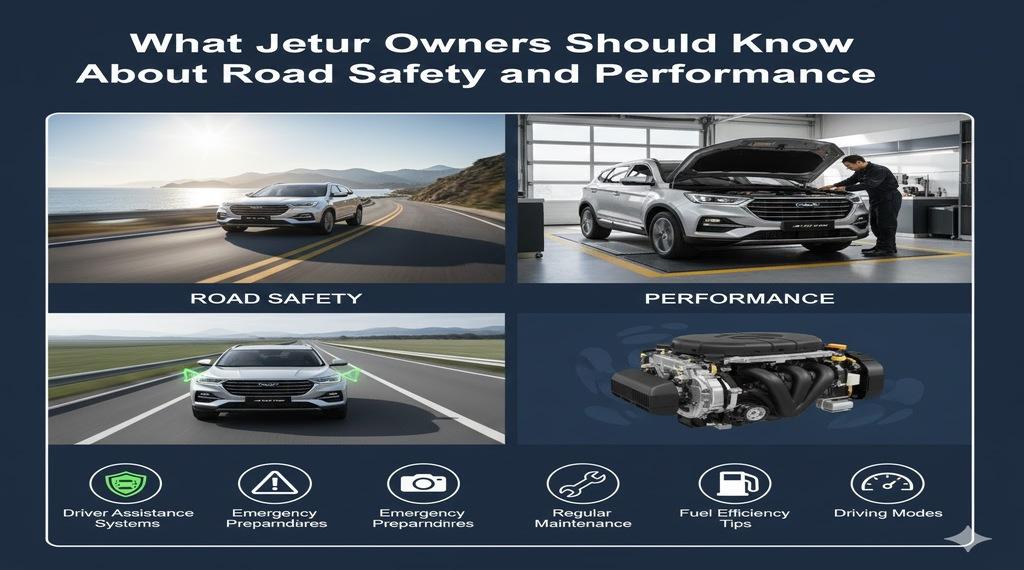
Owning a Jetour in the United Arab Emirates offers a blend of style, space, and modern technology. As these vehicles become more popular on UAE roads, understanding their capabilities is essential. Drivers need to be aware of how their vehicles react to the specific local environment.
The combination of extreme heat and high speed highways presents unique challenges. Ensuring optimal Jetour road safety performance requires a mix of good maintenance and smart driving habits. It is not just about having a capable car but knowing how to use it safely.
Navigating the busy streets of Dubai or the open roads of Abu Dhabi demands focus. Your vehicle is your primary defense against road hazards. By understanding the factors that influence safety, you can protect your passengers and investment.
Understanding Road Safety Challenges in the UAE
Driving in the UAE is unlike driving in many other parts of the world. The infrastructure is world class, but the environmental conditions are harsh. Vehicles are subjected to intense thermal stress for a large part of the year.
This heat affects everything from the engine cooling system to the asphalt itself. Drivers must be aware that road surfaces can become slippery when hot. Oil and rubber deposits on the road surface can reduce traction significantly.
Traffic patterns also vary from congested city centers to fast flowing highways. This requires a vehicle that is versatile and responsive. Understanding these external factors is the first step in maintaining safety.
High Temperatures and Vehicle Stress
Summer temperatures in the UAE frequently exceed 45 degrees Celsius. This places an immense load on your Jetour’s mechanical components. The braking system, in particular, must work harder to dissipate heat.
Brake fluid can boil if not maintained, leading to a spongy pedal feel. Tyres are also vulnerable as heat causes air pressure to rise. An overinflated tyre has a smaller contact patch with the road.
This reduces grip and stability during emergency maneuvers. The cooling system must also be in top condition to prevent engine overheating. Regular checks are vital to ensure these systems can handle the thermal load.
High Speed Roads and Traffic Patterns
The UAE is famous for highways like Sheikh Zayed Road and Emirates Road. These roads allow for legal speeds of up to 140 km/h in some areas. At these speeds, stability and aerodynamics play a huge role in safety.
Sudden braking is a common occurrence due to changing traffic flow. Your vehicle must be able to stop quickly and in a straight line. Lane discipline is also critical when navigating multi lane highways.
Drivers must be prepared for cars changing lanes unexpectedly. A responsive vehicle helps you avoid potential collisions. Maintaining a safe following distance is the most effective safety measure you can take.
How Jetour Vehicles Are Designed for Safety and Stability
Jetour invests heavily in engineering vehicles that meet international safety standards. They are designed to offer a secure driving experience for families and individuals. The chassis is tuned to provide a balance between comfort and handling precision.
Modern safety features are integrated into the design to assist the driver. These systems work in the background to correct errors and prevent accidents. Understanding how they work builds confidence behind the wheel.
However, technology is not a substitute for attentive driving. It is a tool that enhances your ability to control the vehicle. Knowing the limits of these systems ensures you do not over rely on them.
Built In Safety Systems and Driver Assistance
Most Jetour models come equipped with Anti lock Braking Systems, or ABS. This prevents the wheels from locking up during panic stops. It allows the driver to steer while braking heavily.
Electronic Stability Control is another standard feature. It detects if the car is losing traction during a turn. The system applies brakes to individual wheels to bring the car back on line.
Traction control helps prevent wheel spin on slippery surfaces. This is particularly useful on sandy roads or during rare rain showers. These systems collectively improve the safety margin for the driver.
Body Design and Road Grip
The structural integrity of the vehicle protects occupants in a crash. Jetour uses high strength steel in key areas of the body shell. This rigidity also improves handling by keeping the suspension geometry stable.
Weight distribution is optimized to ensure neutral handling characteristics. A balanced car is easier to control in emergency situations. The suspension is tuned to absorb bumps while keeping the tyres planted.
Road grip is the result of the tyre interacting with the suspension. A well designed suspension system maximizes the tyre contact patch. This ensures that braking and steering inputs are effectively transferred to the road.
The Role of Tyres in Jetour Road Performance
Tyres are arguably the most critical safety component on any vehicle. They are the only link between your Jetour and the road surface. Their condition directly dictates stopping distances and cornering grip.
In the UAE, tyre selection is even more important due to the heat. You need tyres that can withstand high temperatures without delaminating. They must also provide grip on both dry and sandy surfaces.
Investing in quality tyres is an investment in safety. Cheap or worn tyres compromise the performance of even the most advanced vehicles. Regular inspection is non negotiable for safe driving.
Middle Section External Keyword Integration
The specific requirements of your vehicle model must be met when replacing tyres. Using the correct size and specification ensures the speedometer and safety systems work correctly. It also guarantees that the ride quality remains as intended by the manufacturer.
Choosing the right jetour x70 tyres plays a key role in maintaining grip, braking performance, and comfort on UAE roads. This specific selection ensures that the load rating matches the vehicle's weight. It also ensures the speed rating is suitable for highway driving.
Matching Tyres to Driving Conditions
Consider your primary driving environment when selecting tyres. If you spend most time on highways, prioritize stability and low noise. Highway terrain tyres are designed for long distance comfort and heat resistance.
For city driving, braking performance and durability are key. Stop and go traffic increases wear on the tyre tread. You need a compound that resists abrasion from frequent turning and braking.
If you occasionally venture off road, all terrain tyres might be suitable. However, be aware they may generate more noise on the highway. Always choose a tyre that suits the majority of your driving needs.
Driving Habits That Improve Safety and Performance
The way you drive has a massive impact on vehicle safety. Aggressive driving puts unnecessary stress on the vehicle and increases accident risk. Adopting a smooth driving style is safer and more economical.
Being aware of your surroundings allows you to anticipate hazards. This proactive approach is better than reacting at the last second. It gives you more time and space to maneuver safely.
Respecting the capabilities of your SUV is also important. It is not a sports car, and it has a higher center of gravity. Driving appropriately for the vehicle type prevents loss of control.
Smooth Acceleration and Controlled Braking
Rapid acceleration shifts weight to the rear of the car. This reduces grip on the front wheels, affecting steering. Accelerating smoothly keeps the car balanced and stable.
Similarly, harsh braking throws weight forward onto the front axle. This can unsettle the rear of the car during a turn. Progressive braking ensures the vehicle remains composed and controllable.
Smooth inputs reduce wear on the engine, transmission, and brakes. It also makes for a more comfortable ride for your passengers. It is the hallmark of an experienced and safe driver.
Speed Awareness and Defensive Driving
Speeding significantly reduces your reaction time. It also increases the distance required to stop the vehicle. In heavy traffic, maintaining a safe speed is crucial.
Defensive driving involves anticipating the mistakes of others. Assume that other drivers may change lanes without signaling. Keep a safe buffer of space around your vehicle at all times.
Check your mirrors frequently to stay aware of surrounding traffic. Avoid blind spots of trucks and other large vehicles. Being visible and aware is your best defense on the highway.
Maintenance Practices Every Jetour Owner Should Follow
Regular maintenance is the foundation of vehicle reliability. A well maintained car performs better and is safer to drive. Neglecting service intervals can lead to mechanical failures.
In the UAE climate, maintenance is even more critical. Fluids degrade faster, and rubber components dry out. Sticking to a strict maintenance schedule protects your investment.
You do not need to be a mechanic to perform basic checks. Simple visual inspections can spot issues before they become dangerous. Taking ownership of your vehicle's health is empowering.
Tyre Pressure, Alignment, and Rotation
Correct tyre pressure is essential for safety and fuel economy. Check pressure at least once a month when tyres are cold. Use a reliable gauge to ensure accuracy.
Wheel alignment ensures the car tracks straight and true. Misalignment causes uneven tyre wear and handling instability. Have the alignment checked if you hit a curb or pothole.
Rotate your tyres every 10,000 kilometers to promote even wear. This extends the life of the tyres and maintains balanced handling. It is a simple service that offers significant benefits.
Brake Checks and Suspension Health
Brakes should be inspected at every service interval. Listen for squealing noises which indicate worn pads. If the pedal feels soft, have the system checked immediately.
Suspension components like shock absorbers wear out gradually. This can lead to a bouncy ride and reduced stability. Leaking shocks should be replaced in pairs to maintain balance.
Inspect the suspension bushings for cracks or damage. Worn bushings can cause vague steering and clunking noises. Keeping the suspension tight ensures precise handling response.
Preparing Your Jetour for Long Distance and Family Use
Family trips require extra preparation to ensure safety. The vehicle is often loaded with passengers and luggage. This changes the handling characteristics significantly.
Long distance travel exposes the vehicle to sustained high speeds. Any weakness in the cooling system or tyres will be exposed. A pre trip inspection is highly recommended.
Comfort is also a safety factor on long journeys. A comfortable driver is less likely to become fatigued. Ensuring the vehicle is ready reduces stress for everyone.
Load Management and Vehicle Balance
Overloading a vehicle is dangerous and illegal. It puts excessive strain on the tyres and suspension. Check the owner's manual for the maximum load capacity.
Distribute heavy items low down and between the axles. This keeps the center of gravity low and central. Avoid placing heavy items on the roof rack if possible.
Secure loose items in the cargo area to prevent them shifting. Sudden weight transfer can destabilize the vehicle during a turn. Proper loading ensures the car handles predictably.
Comfort and Stability for Passengers
A smooth ride reduces motion sickness for passengers. Ensure the tyre pressure is adjusted for the increased load. This prevents the sidewalls from flexing excessively.
Check that the air conditioning is functioning correctly. A cool cabin keeps the driver alert and passengers happy. Replace cabin air filters to ensure good airflow.
Reduce wind noise by ensuring windows and doors seal correctly. A quiet environment reduces fatigue on long drives. These small details contribute to a safer overall journey.
Frequently Asked Questions
Are Jetour vehicles suitable for UAE highways?
Yes, they are designed for stability and comfort at higher speeds.
How often should Jetour tyres be checked?
At least once a month and before long trips.
Does tyre choice affect Jetour performance?
Yes, grip and braking depend heavily on tyre quality.
Can driving habits impact safety features?
Yes, aggressive driving reduces the effectiveness of safety systems.
Is regular maintenance important in hot climates?
Yes, heat accelerates wear on key vehicle components.
Conclusion
Owning a Jetour in the UAE is a rewarding experience when managed correctly. The key to safety and performance lies in understanding your vehicle. It involves respecting the road conditions and maintaining your car diligently.
Your tyres are a fundamental part of this safety equation. Choosing the right specification and maintaining pressure is vital. Regular servicing ensures that all safety systems are operational.
By adopting smart driving habits, you protect yourself and others. Smooth inputs and defensive driving are skills that save lives. They also reduce wear and tear on your vehicle.
Take the time to learn about your car's features. Use them to your advantage in daily driving. A knowledgeable driver is a safe driver.
Enjoy the freedom of the open road with confidence. Trust in your vehicle preparation and your driving ability. Safe travels are the result of conscious effort and care.

 Arabic
 French
 Spanish
 Portuguese
 Deutsch
 Turkish
 Dutch
Dutch
 Italiano
 Russian
 Romaian
 Portuguese (Brazil)
 Greek
Greek