


Hand-Held Hygrometer: A Complete Guide to Portable Humidity Measurement
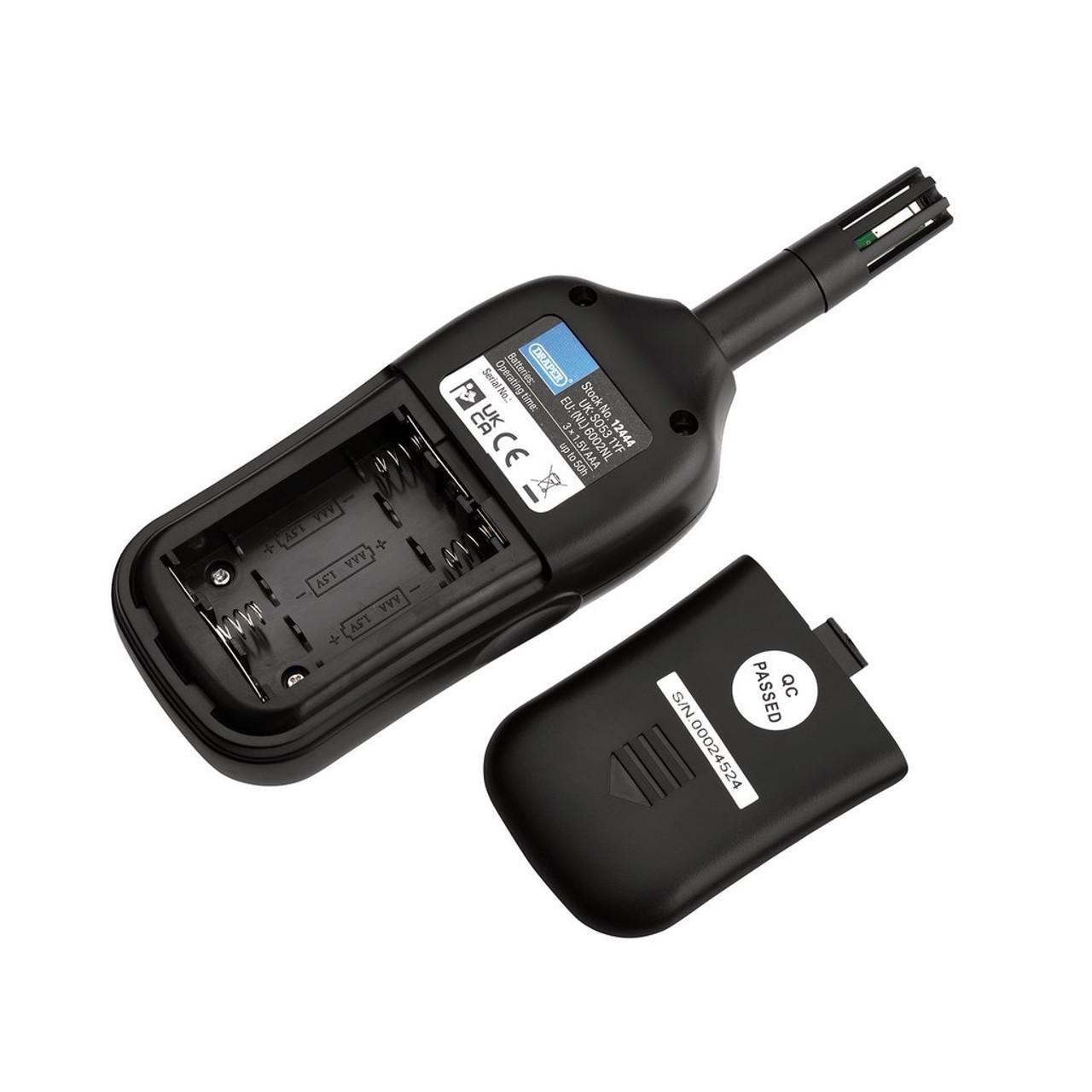
Humidity plays a critical role in environmental quality, product stability, industrial processes, and human comfort. Whether you are working in HVAC maintenance, pharmaceuticals, agriculture, food processing, or laboratory research, understanding moisture levels in the air is essential. This is where a Hand-Held Hygrometer becomes an indispensable tool. Designed for convenience, accuracy, and portability, this device offers professionals a reliable way to measure humidity anytime and anywhere without the need for bulky equipment.
This comprehensive guide explores what a hand-held hygrometer is, how it works, why it’s widely used, and how to choose the right model for your industry needs.
What Is a Hand-Held Hygrometer?
A Hand-Held Hygrometer is a portable instrument used to measure the amount of water vapour present in the air. It typically provides readings for relative humidity (RH%) and often includes temperature measurement as well. The device is compact, battery-powered, and equipped with a sensor that responds quickly to changes in environmental conditions.
While fixed humidity sensors are common in HVAC systems and industrial processes, handheld versions provide mobility and flexibility. Technicians, inspectors, and engineers can take them into tight spaces, remote locations, warehouses, cold rooms, greenhouses, or cleanroom environments to perform real-time humidity checks.
How a Hand-Held Hygrometer Works
Most hand-held hygrometers rely on highly sensitive humidity sensors and temperature sensors. These sensors convert environmental input into electrical signals, which the device then interprets into relative humidity and temperature readings.
There are three main sensor technologies used in modern devices:
Capacitive Sensors
These sensors consist of a hygroscopic dielectric material placed between two conductive plates. When humidity changes, the dielectric’s ability to store electrical charge also changes. This shift is measured and converted into humidity readings.
Advantages:
-
Fast response time
-
Highly accurate
-
Stable performance
Resistive Sensors
Resistive sensors detect humidity changes by measuring variations in electrical resistance within a hygroscopic material. As moisture increases, resistance decreases.
Advantages:
-
Cost-effective
-
Good for general-purpose applications
Thermal Conductivity Sensors
These sensors measure humidity based on heat transfer changes between dry and humid air. They are typically used for industrial applications where wide humidity ranges must be monitored.
Advantages:
-
Suitable for extreme environments
-
Accurate in both high and low humidity conditions
Together, these technologies allow a Hand-Held Hygrometer to provide precise and responsive humidity measurements even in fluctuating environments.
Applications of Hand-Held Hygrometers
Hand-held hygrometers are indispensable across various industries where humidity control is necessary for safety, product quality, or environmental stability.
HVAC and Building Inspection
Humidity directly affects indoor comfort, heating and cooling efficiency, and building health. Excess moisture can cause:
-
Mold growth
-
Condensation
-
Structural damage
-
Poor air quality
HVAC technicians use hand-held hygrometers to diagnose ventilation issues, adjust system performance, and verify humidity levels.
Pharmaceutical and Healthcare
Strict humidity control is required to maintain drug stability, protect laboratory samples, and ensure compliance with industry regulations. Hand-held hygrometers are used in:
-
Cleanrooms
-
Production lines
-
Storage areas
-
Clinical environments
These devices help maintain controlled environments that meet global standards.
Food and Beverage Processing
Moisture affects texture, freshness, packaging, and shelf life. Hygrometers ensure that production and storage areas maintain optimal humidity levels to preserve product quality.
Agriculture and Greenhouses
Farmers and horticulturists rely on humidity measurement to maintain the ideal growing environment for crops. Humidity impacts seed germination, plant hydration, disease development, and photosynthesis.
A hand-held hygrometer helps monitor conditions inside:
-
Greenhouses
-
Soil chambers
-
Storage barns
Manufacturing and Industrial Processes
Industries such as electronics, aerospace, chemical processing, and textiles require humidity control to prevent:
-
Static electricity
-
Corrosion
-
Component damage
-
Product defects
A portable device allows spot checks during production runs.
Museums, Archives, and Art Preservation
Humidity is one of the biggest threats to documents, artworks, and historical artifacts. Curators use hand-held hygrometers to ensure preservation rooms remain within safe humidity ranges.
Benefits of Using a Hand-Held Hygrometer
Investing in a hand-held hygrometer offers several key advantages across professional settings:
Portability and Convenience
Its compact size makes it ideal for rapid site visits, inspections, and field measurements.
Real-Time Accurate Readings
Advanced sensors provide immediate feedback essential for troubleshooting and decision-making.
Versatility Across Industries
From homes to industries, a hand-held hygrometer fits many different use cases.
Battery-Powered Operation
Easy to use in remote areas without access to power sources.
Multi-Parameter Measurement
Most models measure humidity, temperature, dew point, and sometimes wet-bulb temperature.
Key Features to Look for in a Hand-Held Hygrometer
Choosing the right device can significantly impact accuracy and usability. Here are essential features to consider:
1. Measurement Range and Accuracy
Select a hygrometer with the precision required for your industry. Laboratory environments may require ±1% accuracy, while general applications may accept ±3%.
2. Response Time
A fast response is crucial when measuring rapidly changing environments.
3. Durability and Build Quality
Industrial sites may require rugged, dust-resistant, or water-resistant models.
4. Data Logging and Storage
Some devices can record thousands of readings, ideal for audits and compliance reporting.
5. Calibration Options
Look for models that allow easy calibration to maintain long-term accuracy.
6. Additional Parameters
Many advanced hygrometers include sensors for:
-
Dew point
-
Wet-bulb temperature
-
Ambient temperature
7. Display Quality
A clear, backlit display helps during fieldwork, especially in low-light conditions.
Why Hand-Held Hygrometers Are Essential Today
With industries becoming more dependent on environmental accuracy and regulatory compliance, the role of a Hand-Held Hygrometer has grown significantly. Humidity influences equipment lifespan, product consistency, and workplace comfort. Without accurate humidity measurement, businesses face quality issues, increased downtime, and potential safety hazards.
Whether monitoring cleanrooms, checking HVAC performance, assessing building moisture, or protecting sensitive materials, a hand-held hygrometer offers unmatched flexibility and precision. Its ability to deliver rapid, reliable readings makes it an essential tool for modern professionals.

 English
 Arabic
 French
 Spanish
 Portuguese
 Deutsch
 Turkish
 Dutch
Dutch
 Russian
 Romaian
 Portuguese (Brazil)
 Greek
Greek