


-
18 Entradas
-
1 Fotos
-
0 Videos
-
Vive en Pune
-
De hadapsar
-
Male
-
seguida por 6 people
Buscar

 English
 Arabic
 French
 Portuguese
 Deutsch
 Turkish
 Dutch
Dutch
 Italiano
 Russian
 Romaian
 Portuguese (Brazil)
 Greek
Greek
Actualizaciones Recientes
-
The hardware OTP token authentication market is witnessing significant growth due to the increasing demand for secure authentication methods across various industries. As organizations become more aware of the potential risks associated with inadequate security measures, the adoption of hardware OTP tokens has surged. Market analysis reveals that the current market valuation is substantial, with projections indicating continued growth in the coming years. This growth is driven by several factors, including the rising incidence of cyberattacks and the need for compliance with stringent regulatory requirements.
Key players in the market are instrumental in shaping its landscape. Major companies, such as RSA Security, Thales, and Gemalto, dominate the hardware OTP token segment, offering a range of products designed to meet the diverse needs of customers. These companies continuously innovate to enhance their offerings, integrating advanced technologies such as cloud computing and artificial intelligence into their solutions. As the market expands, new entrants are also emerging, contributing to increased competition and innovation.
Regional analysis shows that North America holds a significant share of the hardware OTP token authentication market, driven by the presence of numerous technology companies and a strong focus on cybersecurity. However, the Asia-Pacific region is expected to experience the highest growth rate, fueled by the rapid digital transformation and increasing awareness of cybersecurity threats among businesses. Countries like India and China are investing heavily in security solutions, further propelling market growth.
Emerging trends within the market indicate a shift towards cloud-based solutions, allowing organizations to manage authentication processes more efficiently. The integration of mobile OTP applications is also gaining traction, as users increasingly rely on their smartphones for secure access. These trends reflect a broader movement towards more flexible and user-friendly authentication methods, which are essential in today's fast-paced digital landscape.
Investing in the hardware OTP token authentication market presents numerous opportunities for businesses. Organizations that prioritize security can differentiate themselves from competitors and build trust with customers. Additionally, as regulatory frameworks evolve, companies that adopt robust authentication solutions will be better positioned to comply with new requirements, avoiding potential fines and reputational damage.
In conclusion, the hardware OTP token authentication market is poised for significant growth, driven by increasing cybersecurity threats and regulatory pressures. Organizations must stay informed about market trends and invest in the right solutions to enhance their security posture. By doing so, they can protect sensitive information and maintain the trust of their customers in an increasingly digital world@https://www.marketresearchfuture.com/reports/hardware-otp-token-authentication-market-29468
The hardware OTP token authentication market is witnessing significant growth due to the increasing demand for secure authentication methods across various industries. As organizations become more aware of the potential risks associated with inadequate security measures, the adoption of hardware OTP tokens has surged. Market analysis reveals that the current market valuation is substantial, with projections indicating continued growth in the coming years. This growth is driven by several factors, including the rising incidence of cyberattacks and the need for compliance with stringent regulatory requirements. Key players in the market are instrumental in shaping its landscape. Major companies, such as RSA Security, Thales, and Gemalto, dominate the hardware OTP token segment, offering a range of products designed to meet the diverse needs of customers. These companies continuously innovate to enhance their offerings, integrating advanced technologies such as cloud computing and artificial intelligence into their solutions. As the market expands, new entrants are also emerging, contributing to increased competition and innovation. Regional analysis shows that North America holds a significant share of the hardware OTP token authentication market, driven by the presence of numerous technology companies and a strong focus on cybersecurity. However, the Asia-Pacific region is expected to experience the highest growth rate, fueled by the rapid digital transformation and increasing awareness of cybersecurity threats among businesses. Countries like India and China are investing heavily in security solutions, further propelling market growth. Emerging trends within the market indicate a shift towards cloud-based solutions, allowing organizations to manage authentication processes more efficiently. The integration of mobile OTP applications is also gaining traction, as users increasingly rely on their smartphones for secure access. These trends reflect a broader movement towards more flexible and user-friendly authentication methods, which are essential in today's fast-paced digital landscape. Investing in the hardware OTP token authentication market presents numerous opportunities for businesses. Organizations that prioritize security can differentiate themselves from competitors and build trust with customers. Additionally, as regulatory frameworks evolve, companies that adopt robust authentication solutions will be better positioned to comply with new requirements, avoiding potential fines and reputational damage. In conclusion, the hardware OTP token authentication market is poised for significant growth, driven by increasing cybersecurity threats and regulatory pressures. Organizations must stay informed about market trends and invest in the right solutions to enhance their security posture. By doing so, they can protect sensitive information and maintain the trust of their customers in an increasingly digital world@https://www.marketresearchfuture.com/reports/hardware-otp-token-authentication-market-294680 Commentarios 0 Acciones 450 Views 0 Vista previa -
The Electrician App Market is evolving with the integration of artificial intelligence and automation. AI-driven features improve scheduling, predictive maintenance, and customer support.
Automation reduces manual tasks and enhances accuracy. AI analytics provide insights that support better decision-making.
These advancements position electrician apps as intelligent business tools rather than simple management platforms.@https://www.marketresearchfuture.com/reports/electrician-app-market-35728
The Electrician App Market is evolving with the integration of artificial intelligence and automation. AI-driven features improve scheduling, predictive maintenance, and customer support. Automation reduces manual tasks and enhances accuracy. AI analytics provide insights that support better decision-making. These advancements position electrician apps as intelligent business tools rather than simple management platforms.@https://www.marketresearchfuture.com/reports/electrician-app-market-357280 Commentarios 0 Acciones 239 Views 0 Vista previa -
Sustainability is becoming an increasingly important consideration in the security printing market, as environmental concerns rise and consumers demand eco-friendly products. Companies are exploring innovative materials and processes to reduce their environmental impact while maintaining the security and integrity of printed materials.
One of the key aspects of sustainability in security printing is the use of eco-friendly materials. Many companies are transitioning to recyclable and biodegradable substrates for their printed products. This shift not only reduces waste but also aligns with the growing consumer preference for sustainable packaging and products. By adopting environmentally friendly materials, security printing companies can enhance their brand reputation and appeal to eco-conscious customers.
In addition to using sustainable materials, companies are also focusing on energy-efficient printing processes. Traditional printing methods can be resource-intensive, leading to high energy consumption and waste generation. However, advancements in technology have enabled the development of more efficient printing techniques that minimize energy use and reduce emissions. For example, digital printing allows for on-demand production, reducing the need for excess inventory and waste.
The adoption of sustainable practices is not only beneficial for the environment but also for business operations. Implementing eco-friendly processes can lead to cost savings in the long run, as companies reduce material waste and energy consumption. Furthermore, many governments and organizations are offering incentives for businesses that prioritize sustainability, providing additional motivation for security printing companies to adopt green practices.
Regulatory compliance is another driving force behind the push for sustainability in the security printing market. As environmental regulations become more stringent, companies must adapt to meet these standards. This compliance not only helps businesses avoid penalties but also positions them as responsible corporate citizens in the eyes of consumers and stakeholders.
Moreover, sustainability is increasingly being integrated into the design of security features. For example, companies are exploring the use of eco-friendly inks, such as soy-based and water-based inks, which have a lower environmental impact compared to traditional petroleum-based inks. These inks not only reduce harmful emissions during the printing process but also contribute to the overall sustainability of the printed product.
In conclusion, sustainability is a growing priority in the security printing market, driven by environmental concerns, consumer preferences, and regulatory compliance. By adopting eco-friendly materials, energy-efficient processes, and sustainable practices, security printing companies can reduce their environmental impact while meeting the demands of a changing market. As the industry continues to evolve, the emphasis on sustainability will likely play a crucial role in shaping the future of security printing.@https://www.marketresearchfuture.com/reports/security-printing-market-33539
Sustainability is becoming an increasingly important consideration in the security printing market, as environmental concerns rise and consumers demand eco-friendly products. Companies are exploring innovative materials and processes to reduce their environmental impact while maintaining the security and integrity of printed materials. One of the key aspects of sustainability in security printing is the use of eco-friendly materials. Many companies are transitioning to recyclable and biodegradable substrates for their printed products. This shift not only reduces waste but also aligns with the growing consumer preference for sustainable packaging and products. By adopting environmentally friendly materials, security printing companies can enhance their brand reputation and appeal to eco-conscious customers. In addition to using sustainable materials, companies are also focusing on energy-efficient printing processes. Traditional printing methods can be resource-intensive, leading to high energy consumption and waste generation. However, advancements in technology have enabled the development of more efficient printing techniques that minimize energy use and reduce emissions. For example, digital printing allows for on-demand production, reducing the need for excess inventory and waste. The adoption of sustainable practices is not only beneficial for the environment but also for business operations. Implementing eco-friendly processes can lead to cost savings in the long run, as companies reduce material waste and energy consumption. Furthermore, many governments and organizations are offering incentives for businesses that prioritize sustainability, providing additional motivation for security printing companies to adopt green practices. Regulatory compliance is another driving force behind the push for sustainability in the security printing market. As environmental regulations become more stringent, companies must adapt to meet these standards. This compliance not only helps businesses avoid penalties but also positions them as responsible corporate citizens in the eyes of consumers and stakeholders. Moreover, sustainability is increasingly being integrated into the design of security features. For example, companies are exploring the use of eco-friendly inks, such as soy-based and water-based inks, which have a lower environmental impact compared to traditional petroleum-based inks. These inks not only reduce harmful emissions during the printing process but also contribute to the overall sustainability of the printed product. In conclusion, sustainability is a growing priority in the security printing market, driven by environmental concerns, consumer preferences, and regulatory compliance. By adopting eco-friendly materials, energy-efficient processes, and sustainable practices, security printing companies can reduce their environmental impact while meeting the demands of a changing market. As the industry continues to evolve, the emphasis on sustainability will likely play a crucial role in shaping the future of security printing.@https://www.marketresearchfuture.com/reports/security-printing-market-335390 Commentarios 0 Acciones 284 Views 0 Vista previa -
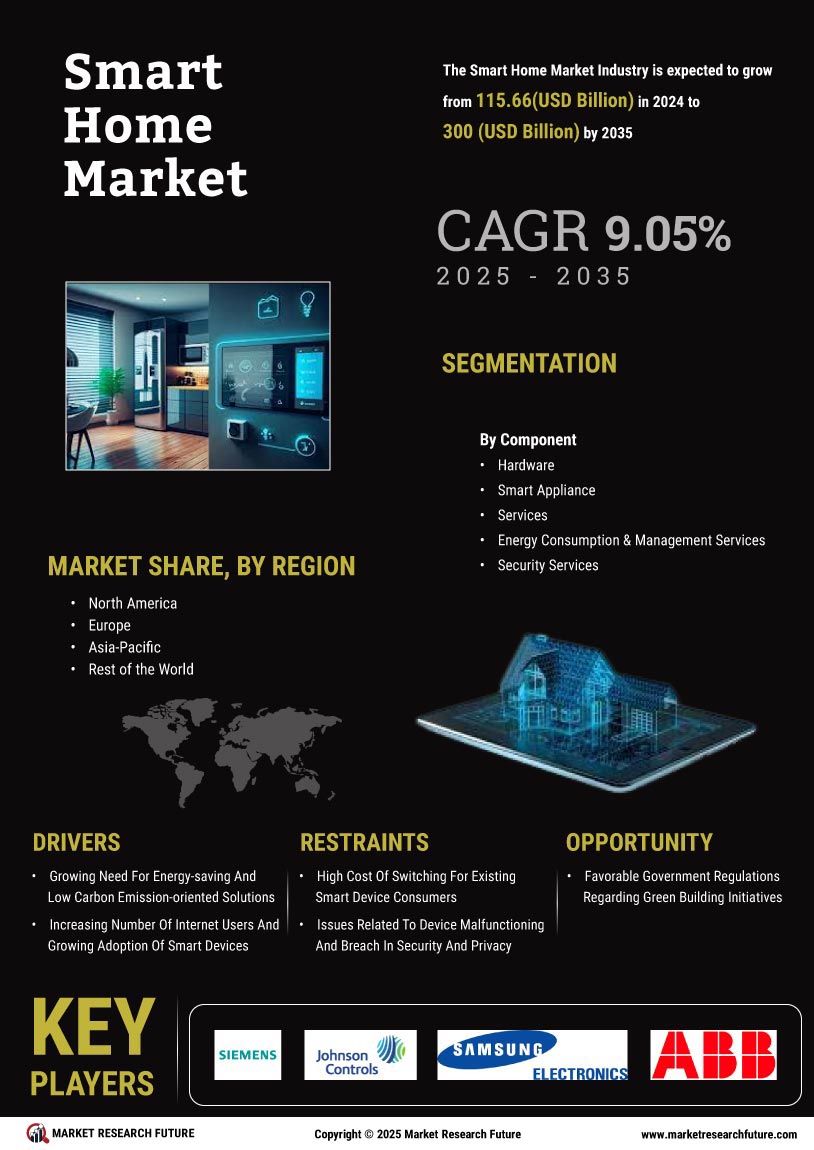
The Smart Home Market is experiencing steady consumer adoption driven by changing lifestyles, technological familiarity, and evolving expectations. Understanding these trends provides insight into how smart homes are becoming part of everyday life.
Younger generations are leading adoption, drawn by convenience, connectivity, and customization. However, older demographics are also embracing smart technologies, particularly for security, accessibility, and health monitoring.
Affordability has improved significantly, making smart devices accessible to a wider audience. Entry-level products and bundled solutions reduce initial investment barriers and encourage experimentation.
Ease of installation and use has become a critical factor. Consumers prefer plug-and-play solutions that do not require extensive technical knowledge. User-friendly interfaces and guided setup processes enhance adoption.
Trust in technology influences purchasing decisions. Brands that prioritize security, reliability, and customer support gain a competitive advantage. Transparent data practices also contribute to consumer confidence.
Lifestyle changes, such as remote work, have increased demand for smart home solutions. Enhanced connectivity, energy management, and home office automation support flexible living arrangements.
Social influence and digital media play a role in shaping consumer perceptions. Reviews, demonstrations, and online communities help users discover and evaluate smart home products.
As adoption continues to grow, consumer expectations will evolve. Future trends may emphasize seamless integration, sustainability, and enhanced personalization, shaping the next phase of smart home development.@https://www.marketresearchfuture.com/reports/smart-home-market-974
The Smart Home Market is experiencing steady consumer adoption driven by changing lifestyles, technological familiarity, and evolving expectations. Understanding these trends provides insight into how smart homes are becoming part of everyday life. Younger generations are leading adoption, drawn by convenience, connectivity, and customization. However, older demographics are also embracing smart technologies, particularly for security, accessibility, and health monitoring. Affordability has improved significantly, making smart devices accessible to a wider audience. Entry-level products and bundled solutions reduce initial investment barriers and encourage experimentation. Ease of installation and use has become a critical factor. Consumers prefer plug-and-play solutions that do not require extensive technical knowledge. User-friendly interfaces and guided setup processes enhance adoption. Trust in technology influences purchasing decisions. Brands that prioritize security, reliability, and customer support gain a competitive advantage. Transparent data practices also contribute to consumer confidence. Lifestyle changes, such as remote work, have increased demand for smart home solutions. Enhanced connectivity, energy management, and home office automation support flexible living arrangements. Social influence and digital media play a role in shaping consumer perceptions. Reviews, demonstrations, and online communities help users discover and evaluate smart home products. As adoption continues to grow, consumer expectations will evolve. Future trends may emphasize seamless integration, sustainability, and enhanced personalization, shaping the next phase of smart home development.@https://www.marketresearchfuture.com/reports/smart-home-market-9740 Commentarios 0 Acciones 319 Views 0 Vista previa -
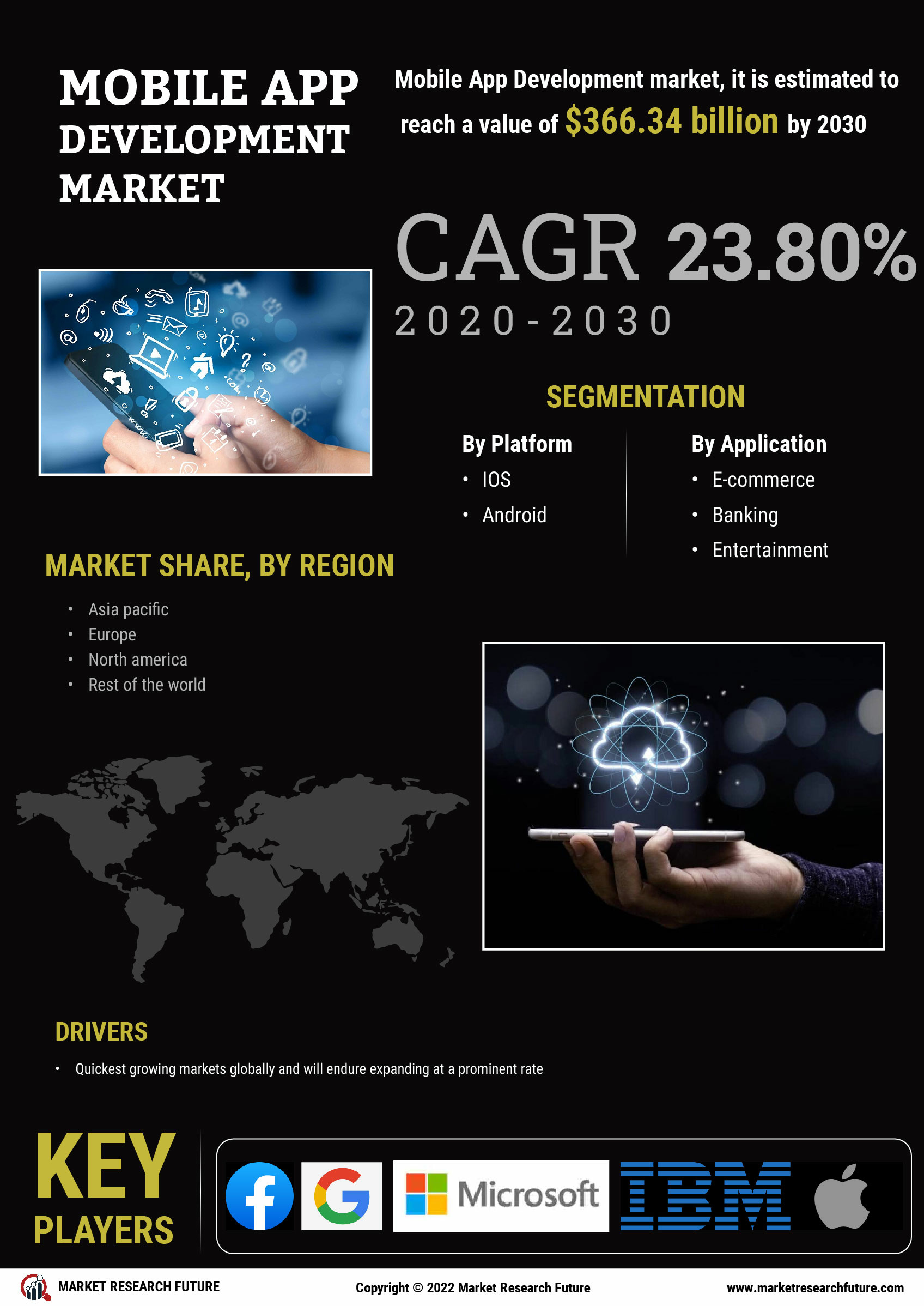
Security is a primary concern in mobile app development, with increasing threats targeting user data and privacy. This article addresses common security challenges developers face and provides best practices to mitigate risks. As mobile apps become more integral to everyday life, the importance of safeguarding user information cannot be overstated. Common vulnerabilities in mobile apps include data breaches, insecure data storage, and inadequate authentication measures. Real-world examples, such as high-profile data leaks, highlight the importance of addressing these security issues proactively.
To enhance app security, developers can utilize tools and frameworks such as OWASP Mobile Security Project and Firebase Authentication. These resources provide guidelines and best practices for building secure applications. Implementing secure coding practices, such as input validation and output encoding, can help prevent common attacks like SQL injection and cross-site scripting. Additionally, using encryption to protect sensitive data both in transit and at rest is crucial for safeguarding user information.
Regular security audits and penetration testing are essential components of a robust security strategy. By identifying vulnerabilities before they can be exploited, developers can take proactive measures to strengthen their applications. Furthermore, staying informed about the latest security threats and trends is vital for adapting to the evolving landscape of mobile app security. Engaging with the developer community and participating in security-focused forums can provide valuable insights and resources.
User education also plays a critical role in maintaining app security. Developers should implement features that educate users about best practices for protecting their accounts, such as using strong passwords and enabling two-factor authentication. By empowering users to take control of their security, developers can foster a sense of trust and confidence in their applications.
Another significant aspect of mobile app security is compliance with data protection regulations. With the introduction of laws such as the General Data Protection Regulation (GDPR) in Europe and the California Consumer Privacy Act (CCPA) in the United States, developers must ensure that their apps comply with legal requirements regarding data collection and user privacy. This includes obtaining user consent for data collection, providing transparency about data usage, and implementing measures to protect user information.
As security concerns continue to rise, the integration of AI in mobile app security is becoming increasingly important. AI algorithms can analyze user behavior and detect anomalies that may indicate fraudulent activity. For instance, if a user suddenly logs in from a different geographic location or performs unusual transactions, the app can trigger security measures, such as additional authentication steps or alerts to the user.
In conclusion, prioritizing security is essential for maintaining user trust and ensuring the long-term success of mobile applications. By adopting a proactive approach to security, developers can protect their users and their apps from potential threats, fostering a safer mobile environment. As the mobile app landscape continues to evolve, staying informed about security best practices and emerging threats will be crucial for developers looking to build secure and reliable applications.@https://www.marketresearchfuture.com/reports/mobile-app-development-market-1752
Security is a primary concern in mobile app development, with increasing threats targeting user data and privacy. This article addresses common security challenges developers face and provides best practices to mitigate risks. As mobile apps become more integral to everyday life, the importance of safeguarding user information cannot be overstated. Common vulnerabilities in mobile apps include data breaches, insecure data storage, and inadequate authentication measures. Real-world examples, such as high-profile data leaks, highlight the importance of addressing these security issues proactively. To enhance app security, developers can utilize tools and frameworks such as OWASP Mobile Security Project and Firebase Authentication. These resources provide guidelines and best practices for building secure applications. Implementing secure coding practices, such as input validation and output encoding, can help prevent common attacks like SQL injection and cross-site scripting. Additionally, using encryption to protect sensitive data both in transit and at rest is crucial for safeguarding user information. Regular security audits and penetration testing are essential components of a robust security strategy. By identifying vulnerabilities before they can be exploited, developers can take proactive measures to strengthen their applications. Furthermore, staying informed about the latest security threats and trends is vital for adapting to the evolving landscape of mobile app security. Engaging with the developer community and participating in security-focused forums can provide valuable insights and resources. User education also plays a critical role in maintaining app security. Developers should implement features that educate users about best practices for protecting their accounts, such as using strong passwords and enabling two-factor authentication. By empowering users to take control of their security, developers can foster a sense of trust and confidence in their applications. Another significant aspect of mobile app security is compliance with data protection regulations. With the introduction of laws such as the General Data Protection Regulation (GDPR) in Europe and the California Consumer Privacy Act (CCPA) in the United States, developers must ensure that their apps comply with legal requirements regarding data collection and user privacy. This includes obtaining user consent for data collection, providing transparency about data usage, and implementing measures to protect user information. As security concerns continue to rise, the integration of AI in mobile app security is becoming increasingly important. AI algorithms can analyze user behavior and detect anomalies that may indicate fraudulent activity. For instance, if a user suddenly logs in from a different geographic location or performs unusual transactions, the app can trigger security measures, such as additional authentication steps or alerts to the user. In conclusion, prioritizing security is essential for maintaining user trust and ensuring the long-term success of mobile applications. By adopting a proactive approach to security, developers can protect their users and their apps from potential threats, fostering a safer mobile environment. As the mobile app landscape continues to evolve, staying informed about security best practices and emerging threats will be crucial for developers looking to build secure and reliable applications.@https://www.marketresearchfuture.com/reports/mobile-app-development-market-17520 Commentarios 0 Acciones 325 Views 0 Vista previa -
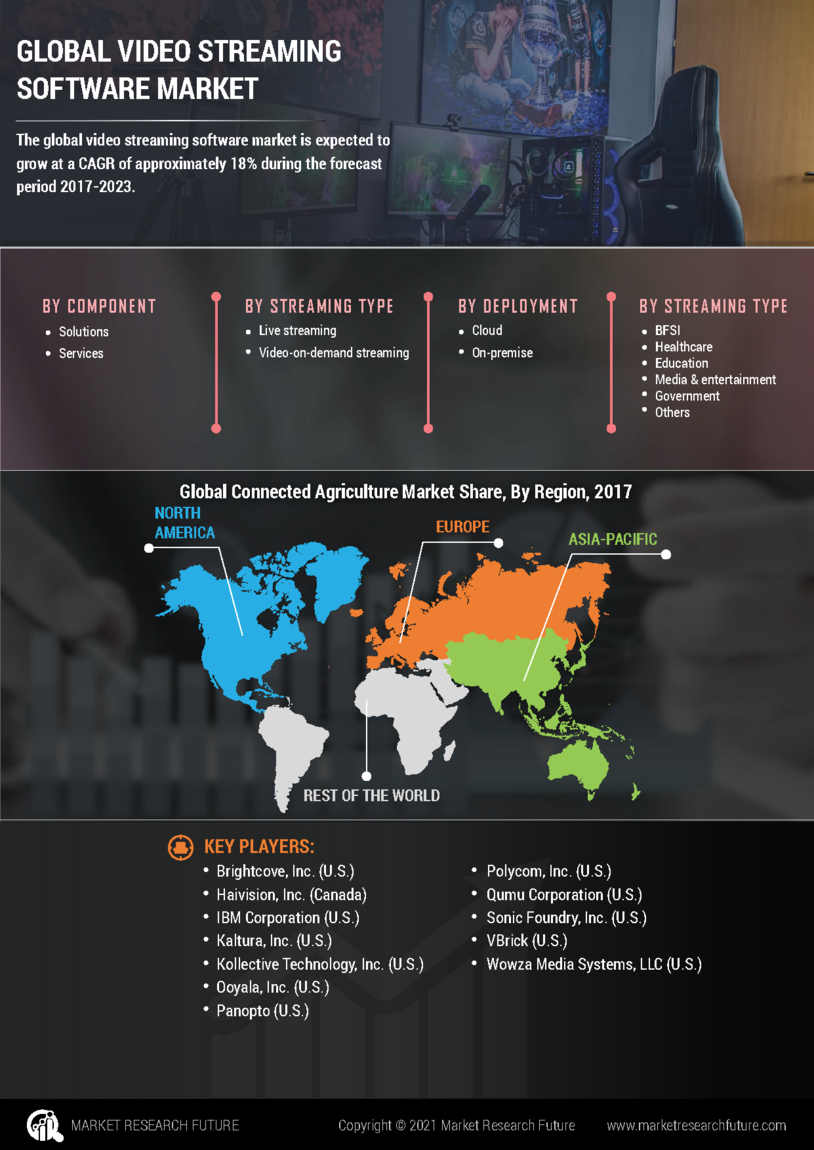
ooking ahead, the video streaming software market is poised for further transformation. Predictions suggest that advancements in technology, shifts in consumer behavior, and new business models will continue to shape the industry. This article presents expert forecasts on what the future holds for video streaming, including potential disruptions and opportunities for growth.
One prediction is the continued rise of personalized content experiences. As data analytics and machine learning technologies advance, streaming services will increasingly leverage viewer data to deliver tailored recommendations and curated content. This personalization will enhance user engagement and satisfaction, making it essential for companies to invest in these technologies to remain competitive.
Another forecast is the growth of niche streaming platforms that cater to specific audiences. As general-purpose services become saturated, companies may find success by focusing on specialized content, such as documentaries, indie films, or specific genres. These niche platforms can build loyal subscriber bases by offering unique programming that appeals to targeted demographics.
The integration of virtual reality (VR) and augmented reality (AR) into video streaming experiences is also on the horizon. As technology advances and becomes more accessible, streaming services may explore immersive content formats that allow viewers to engage with stories in new ways. This innovation could redefine the viewing experience and attract a new generation of consumers seeking interactive entertainment.
Moreover, the trend toward ad-supported streaming models is expected to continue. As subscription fatigue grows, consumers may gravitate toward free or lower-cost options that include advertising. Companies that successfully implement ad-supported tiers while maintaining user satisfaction will likely gain a competitive advantage in the evolving market.
The global expansion of streaming services is another key prediction. As internet connectivity improves in developing regions, companies will increasingly target international markets. This expansion will require localized content strategies to resonate with diverse audiences, presenting both challenges and opportunities for growth.
In conclusion, the future of the video streaming software market is marked by exciting possibilities and potential disruptions. By embracing personalization, exploring niche markets, integrating immersive technologies, adopting ad-supported models, and expanding globally, companies can position themselves for success in a rapidly changing landscape.@https://www.marketresearchfuture.com/reports/video-streaming-software-market-5228
ooking ahead, the video streaming software market is poised for further transformation. Predictions suggest that advancements in technology, shifts in consumer behavior, and new business models will continue to shape the industry. This article presents expert forecasts on what the future holds for video streaming, including potential disruptions and opportunities for growth. One prediction is the continued rise of personalized content experiences. As data analytics and machine learning technologies advance, streaming services will increasingly leverage viewer data to deliver tailored recommendations and curated content. This personalization will enhance user engagement and satisfaction, making it essential for companies to invest in these technologies to remain competitive. Another forecast is the growth of niche streaming platforms that cater to specific audiences. As general-purpose services become saturated, companies may find success by focusing on specialized content, such as documentaries, indie films, or specific genres. These niche platforms can build loyal subscriber bases by offering unique programming that appeals to targeted demographics. The integration of virtual reality (VR) and augmented reality (AR) into video streaming experiences is also on the horizon. As technology advances and becomes more accessible, streaming services may explore immersive content formats that allow viewers to engage with stories in new ways. This innovation could redefine the viewing experience and attract a new generation of consumers seeking interactive entertainment. Moreover, the trend toward ad-supported streaming models is expected to continue. As subscription fatigue grows, consumers may gravitate toward free or lower-cost options that include advertising. Companies that successfully implement ad-supported tiers while maintaining user satisfaction will likely gain a competitive advantage in the evolving market. The global expansion of streaming services is another key prediction. As internet connectivity improves in developing regions, companies will increasingly target international markets. This expansion will require localized content strategies to resonate with diverse audiences, presenting both challenges and opportunities for growth. In conclusion, the future of the video streaming software market is marked by exciting possibilities and potential disruptions. By embracing personalization, exploring niche markets, integrating immersive technologies, adopting ad-supported models, and expanding globally, companies can position themselves for success in a rapidly changing landscape.@https://www.marketresearchfuture.com/reports/video-streaming-software-market-52280 Commentarios 0 Acciones 497 Views 0 Vista previa -
Energy efficiency is a major advantage of smart home technology. As concerns about climate change and rising energy costs grow, many homeowners are looking for ways to reduce their carbon footprint and lower their utility bills. Smart home devices play a crucial role in achieving these goals by optimizing energy usage through automation and real-time monitoring.
One of the most significant contributors to energy efficiency in smart homes is the smart thermostat. Devices like the Nest Learning Thermostat and Ecobee are designed to learn user habits and adjust heating and cooling settings accordingly. By optimizing temperature settings based on occupancy, these devices can save significant amounts of energy. For example, a smart thermostat can lower the temperature when no one is home and raise it before the occupants return, ensuring comfort while minimizing energy consumption.
Smart lighting systems also contribute to energy efficiency. Traditional lighting can consume a considerable amount of energy, especially if lights are left on when not needed. Smart lighting solutions, such as Philips Hue and LIFX, allow users to control their lights remotely and set schedules to ensure they are only on when necessary. Many smart bulbs also come with energy-saving features, such as dimming capabilities and color-changing options, which can further reduce energy consumption.
In addition to thermostats and lighting, smart plugs can help homeowners monitor and control the energy usage of various appliances. Smart plugs allow users to turn devices on and off remotely, ensuring that appliances are not left running unnecessarily. For instance, a homeowner can set a smart plug to turn off a coffee maker after a certain period, preventing energy waste. Many smart plugs also provide energy monitoring features, allowing users to track the energy consumption of individual devices and identify areas for improvement.
Smart appliances are another key component of energy-efficient homes. Many modern appliances, such as refrigerators, ovens, and washing machines, come equipped with smart technology that enables users to control them remotely. For example, a smart washing machine can be programmed to run during off-peak hours when energy rates are lower, helping homeowners save money on their utility bills. Additionally, smart appliances often include energy-efficient settings that optimize performance while minimizing energy usage.
The integration of renewable energy sources, such as solar panels, with smart home technology is also gaining traction. Homeowners can now monitor their energy production and consumption through smart devices, allowing for better management of solar energy systems. This integration not only promotes sustainability but also helps homeowners save money on energy costs.
Another benefit of smart home technology is the ability to receive real-time data on energy usage. Homeowners can track their energy consumption patterns through smartphone apps, allowing them to identify areas where they can make improvements. For instance, if a homeowner notices that their energy usage spikes during certain hours, they can adjust their habits or settings to reduce consumption.
Despite the numerous benefits of smart home technology for energy efficiency, some homeowners may be hesitant to adopt these solutions due to concerns about complexity and cost. To address these concerns, manufacturers must prioritize user-friendly designs and provide clear instructions and support. Additionally, government incentives and rebates for energy-efficient upgrades can help encourage homeowners to invest in smart technology.@https://www.marketresearchfuture.com/reports/smart-home-market-974
Energy efficiency is a major advantage of smart home technology. As concerns about climate change and rising energy costs grow, many homeowners are looking for ways to reduce their carbon footprint and lower their utility bills. Smart home devices play a crucial role in achieving these goals by optimizing energy usage through automation and real-time monitoring. One of the most significant contributors to energy efficiency in smart homes is the smart thermostat. Devices like the Nest Learning Thermostat and Ecobee are designed to learn user habits and adjust heating and cooling settings accordingly. By optimizing temperature settings based on occupancy, these devices can save significant amounts of energy. For example, a smart thermostat can lower the temperature when no one is home and raise it before the occupants return, ensuring comfort while minimizing energy consumption. Smart lighting systems also contribute to energy efficiency. Traditional lighting can consume a considerable amount of energy, especially if lights are left on when not needed. Smart lighting solutions, such as Philips Hue and LIFX, allow users to control their lights remotely and set schedules to ensure they are only on when necessary. Many smart bulbs also come with energy-saving features, such as dimming capabilities and color-changing options, which can further reduce energy consumption. In addition to thermostats and lighting, smart plugs can help homeowners monitor and control the energy usage of various appliances. Smart plugs allow users to turn devices on and off remotely, ensuring that appliances are not left running unnecessarily. For instance, a homeowner can set a smart plug to turn off a coffee maker after a certain period, preventing energy waste. Many smart plugs also provide energy monitoring features, allowing users to track the energy consumption of individual devices and identify areas for improvement. Smart appliances are another key component of energy-efficient homes. Many modern appliances, such as refrigerators, ovens, and washing machines, come equipped with smart technology that enables users to control them remotely. For example, a smart washing machine can be programmed to run during off-peak hours when energy rates are lower, helping homeowners save money on their utility bills. Additionally, smart appliances often include energy-efficient settings that optimize performance while minimizing energy usage. The integration of renewable energy sources, such as solar panels, with smart home technology is also gaining traction. Homeowners can now monitor their energy production and consumption through smart devices, allowing for better management of solar energy systems. This integration not only promotes sustainability but also helps homeowners save money on energy costs. Another benefit of smart home technology is the ability to receive real-time data on energy usage. Homeowners can track their energy consumption patterns through smartphone apps, allowing them to identify areas where they can make improvements. For instance, if a homeowner notices that their energy usage spikes during certain hours, they can adjust their habits or settings to reduce consumption. Despite the numerous benefits of smart home technology for energy efficiency, some homeowners may be hesitant to adopt these solutions due to concerns about complexity and cost. To address these concerns, manufacturers must prioritize user-friendly designs and provide clear instructions and support. Additionally, government incentives and rebates for energy-efficient upgrades can help encourage homeowners to invest in smart technology.@https://www.marketresearchfuture.com/reports/smart-home-market-9740 Commentarios 0 Acciones 286 Views 0 Vista previa

Quizás te interese…